Text size
Line height
Text spacing
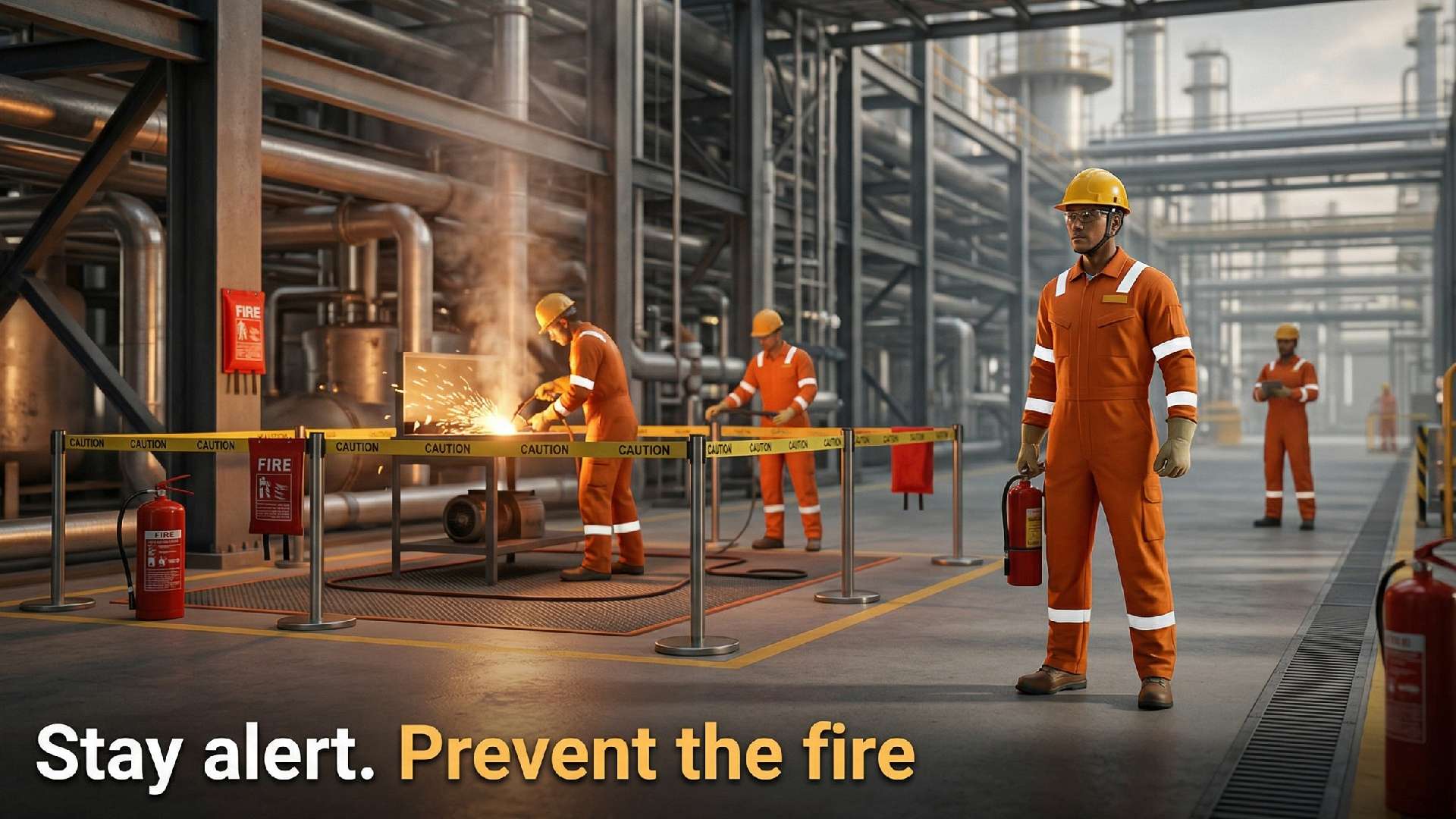
Fire hazards are among the most serious risks in industrial and operational environments. The presence of flammable materials, ignition sources, and high-risk work activities can quickly lead to dangerous situations if proper safety practices are not followed.
This course provides essential fire safety awareness for workers and operational personnel. It introduces key safety principles, hazard awareness, and preventive practices that help reduce fire risks and support a safer workplace.
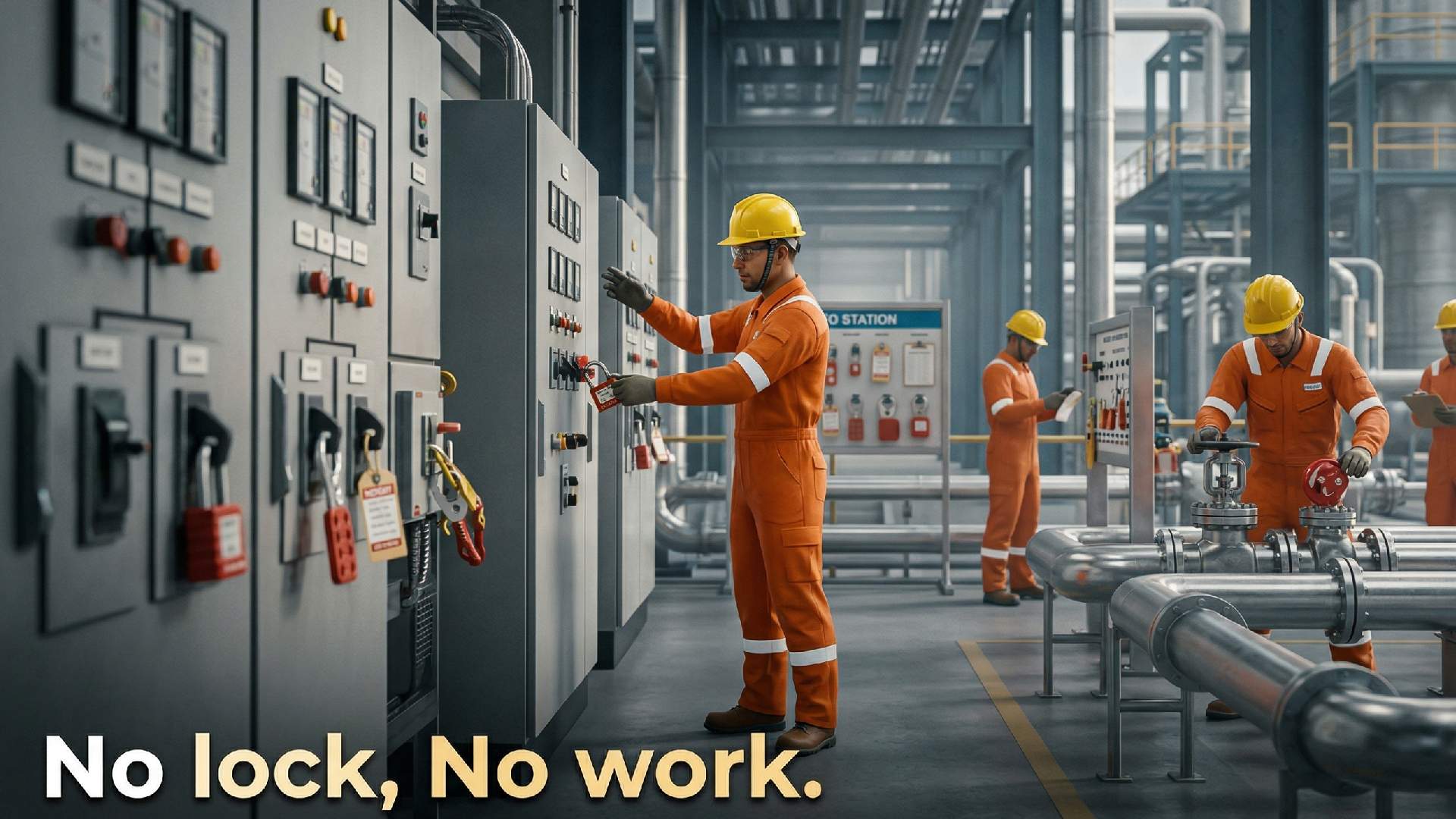
Hazardous energy such as electrical, mechanical, hydraulic, pneumatic, and chemical sources can pose serious risks in oil and natural gas operations. Lockout/Tagout (LOTO) procedures are essential safety practices designed to ensure that machinery and systems are fully de-energized before maintenance, servicing, or repair work begins. By properly isolating energy sources, LOTO procedures help prevent accidental startup, unexpected release of stored energy, and exposure to hazardous substances.
This course provides a practical understanding of how LOTO procedures protect workers and equipment in industrial environments. It introduces key concepts of hazardous energy control, the importance of proper communication and coordination, and the correct use of lockout and tagout devices. Through clear explanations and structured guidance, the course helps learners understand safe work practices and the responsibilities involved in maintaining a secure work environment.
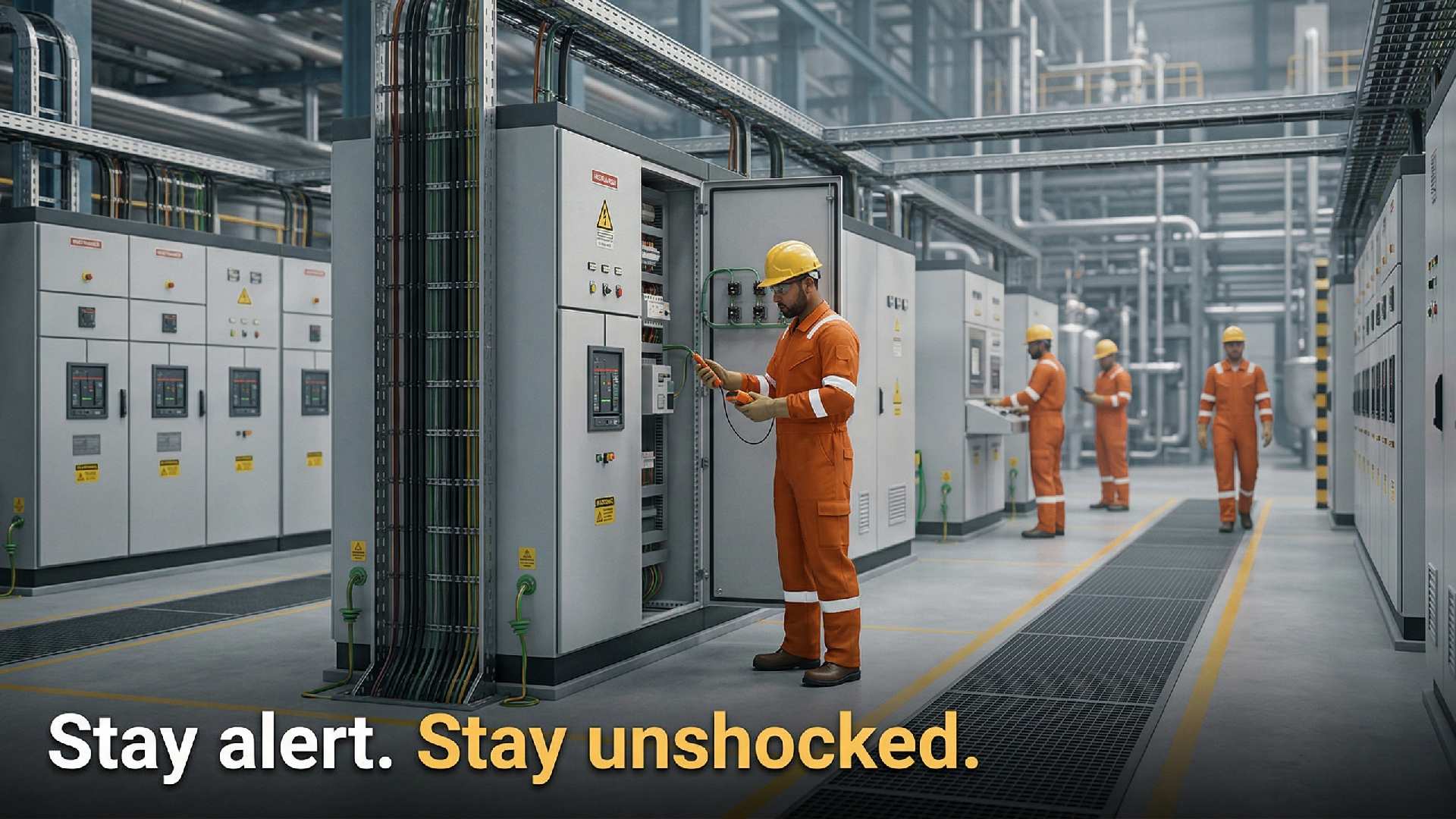
This course introduces the fundamentals of Electrical Safety in Oil and Natural Gas environments, where electrical systems operate alongside flammable gases and hazardous conditions. Although electricity cannot be seen, the risks associated with it—such as shocks, arc flashes, fires, and explosions—are significant in these industries. The course highlights the importance of awareness, proper equipment, and strict safety procedures when working near or with electrical systems.
Through this course, learners will gain a clear understanding of how electrical hazards occur in oil and gas facilities and how to manage them effectively. It also emphasizes safe work practices, hazard zone classifications, protective equipment, and emergency response procedures. The aim is to help personnel reduce risks, maintain safe working environments, and ensure compliance with safety standards while performing electrical tasks.
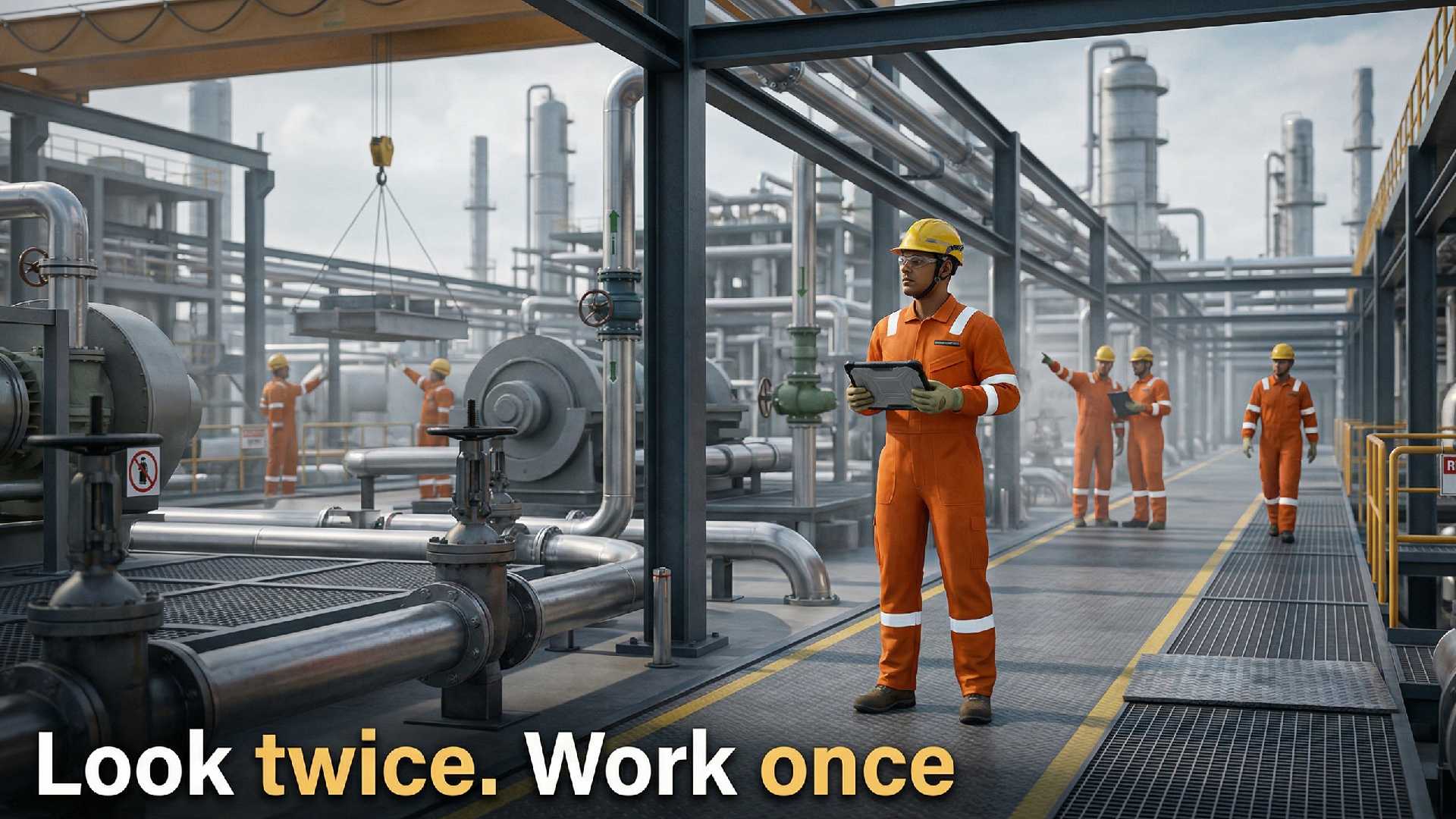
This course introduces the concept of Hazard Identification and Risk Assessment (HIRA), a critical safety practice used in high-risk industries such as oil and gas. In environments where hazards can arise from equipment, processes, or human factors, recognizing potential dangers before they lead to incidents is essential. The course explains how hazards and risks are identified, evaluated, and controlled through a structured approach to ensure safer working conditions.
Throughout the course, learners will explore the fundamentals of workplace hazards, understand how risks are assessed, and learn how organizations prioritize safety through systematic processes. By gaining insight into hazard categories, risk evaluation methods, and control strategies, participants will develop a stronger awareness of workplace safety and their role in preventing incidents.
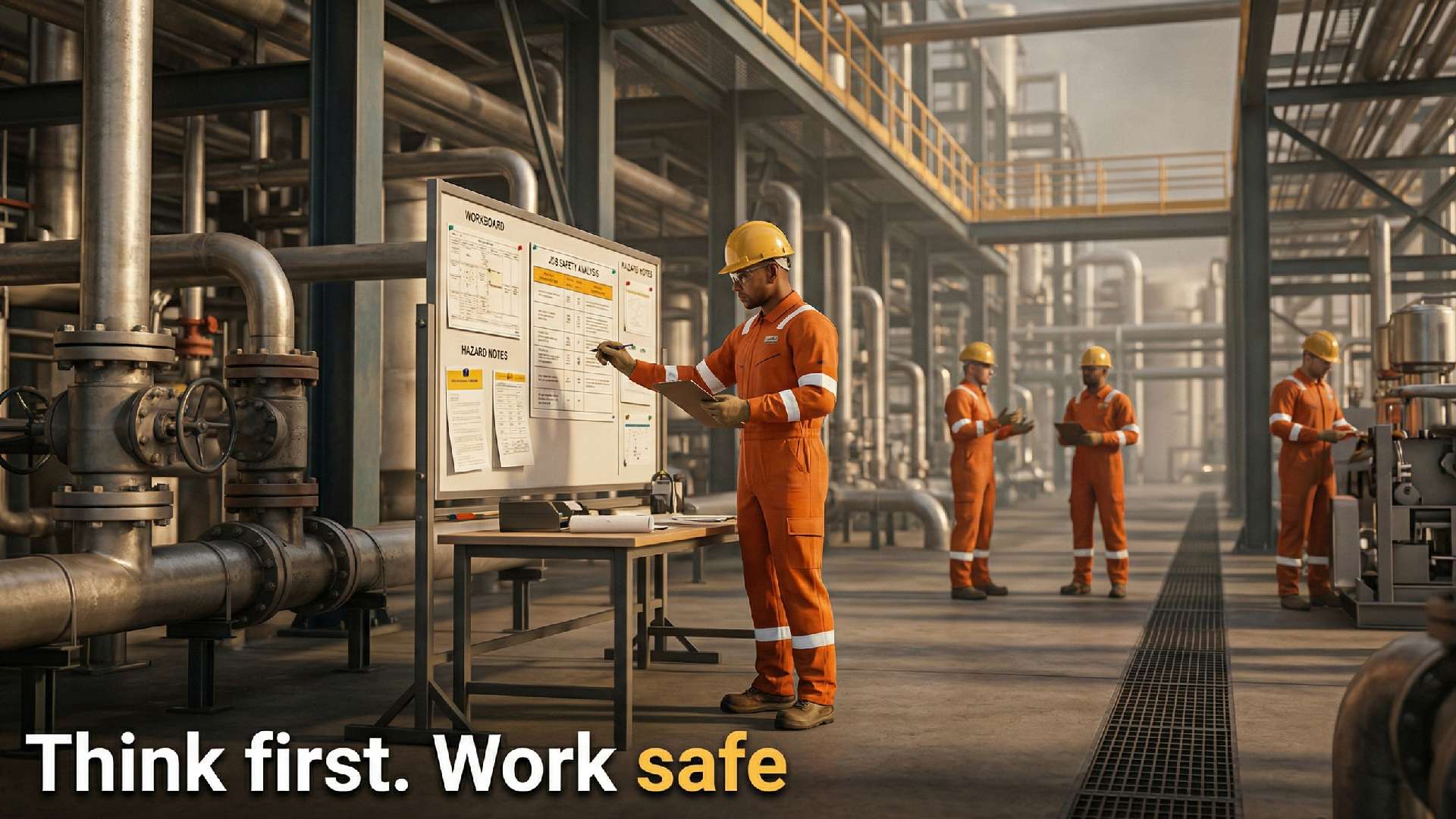
This course introduces the concept of Job Safety Analysis (JSA) / Job Hazard Analysis (JHA), an important safety practice used in oil and gas operations. In high-risk environments, even routine tasks can involve hidden hazards. JSA/JHA is a proactive approach that breaks down a job into clear steps to identify potential hazards and implement control measures before work begins, helping teams perform tasks safely and efficiently.
Throughout this course, learners will gain practical insights into how JSA/JHA supports safer work planning and risk prevention. The course explores the importance of identifying hazards early, understanding safety responsibilities, and applying effective control measures. By learning structured safety analysis methods, participants will be better prepared to contribute to a safer workplace and support compliance with industry safety standards.
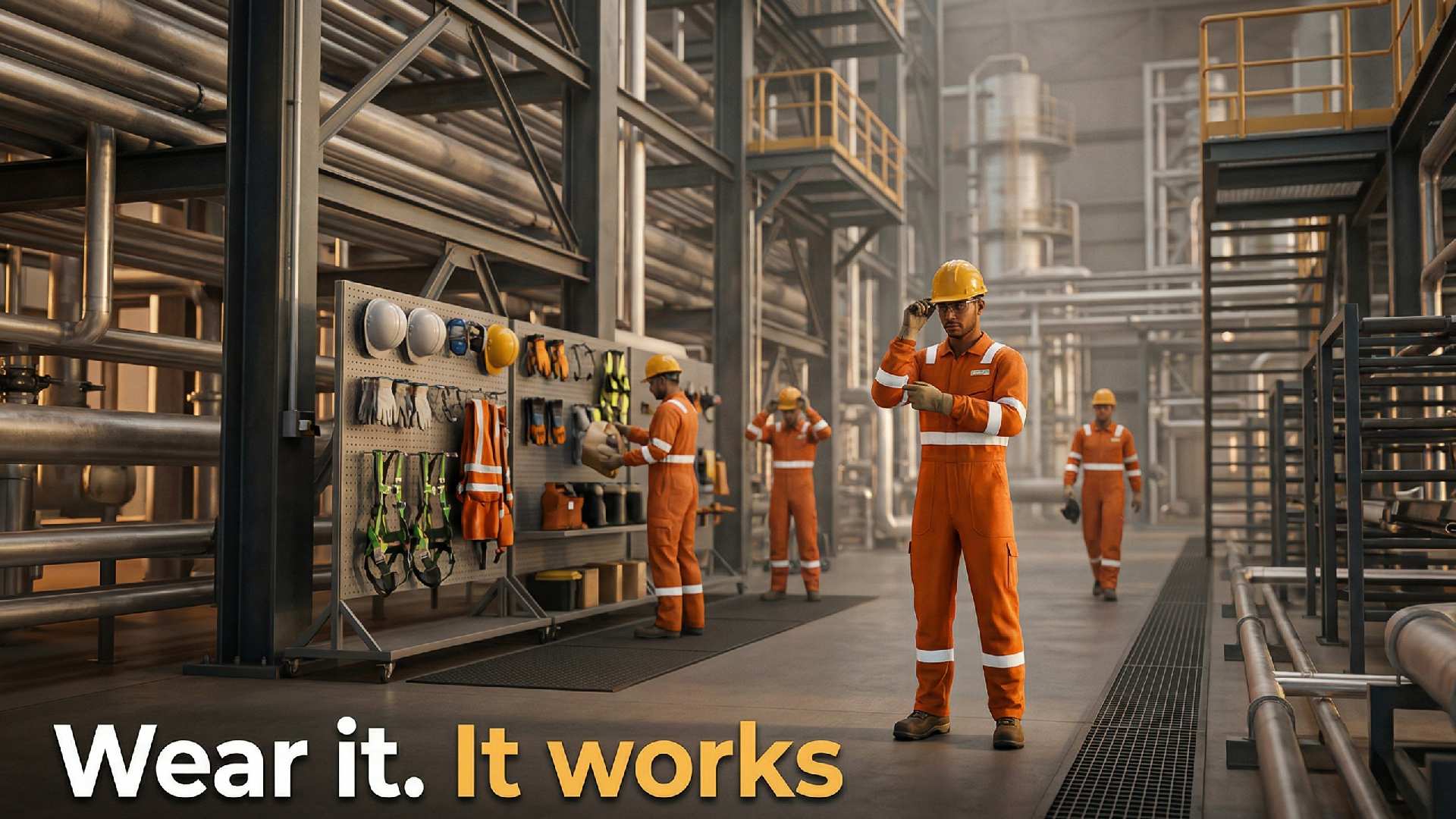
Personal Protective Equipment (PPE) plays a critical role in protecting workers in high-risk environments. In industries such as oil and gas, workers are regularly exposed to hazards including high pressure systems, chemicals, extreme heat, and various energy sources. PPE acts as the final layer of defense when other safety controls are not enough. However, protective equipment can only provide effective protection when it is properly selected, correctly worn, and maintained in good condition.
This course introduces the importance of PPE in maintaining workplace safety and preventing injuries. It provides an overview of different types of protective equipment used across work sites and explains how to select, use, and care for them responsibly. Learners will also understand the shared responsibility between organizations and workers in ensuring PPE is used correctly, helping to build a safer and more safety-aware working environment.
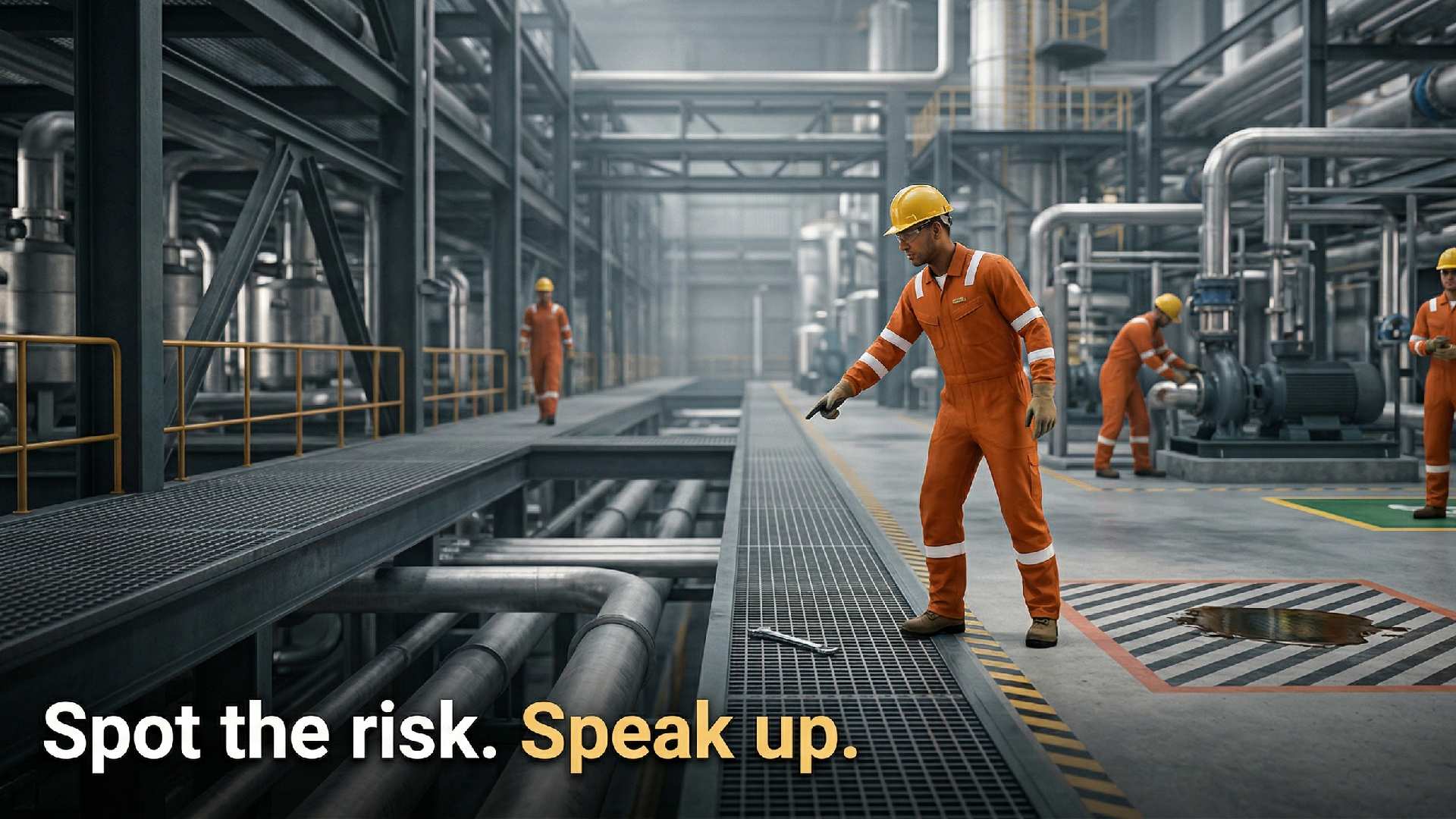
This course introduces the importance of Safety Observation, Near Miss, and Incident Reporting in the Oil and Natural Gas sector. Every safety event, even those that do not cause harm, provides valuable lessons for improving workplace systems. By observing work environments carefully and reporting potential risks early, organizations can prevent accidents and create a culture that prioritizes safety, accountability, and continuous improvement.
Beyond the fundamentals, the course also explores how proactive reporting and regular safety observations help identify hazards before they escalate. Participants will gain insight into the responsibilities shared by workers, supervisors, and safety teams in maintaining a safe work environment. The course emphasizes practical approaches to recognizing risks, reporting them effectively, and ensuring that safety improvements are implemented across the workplace.
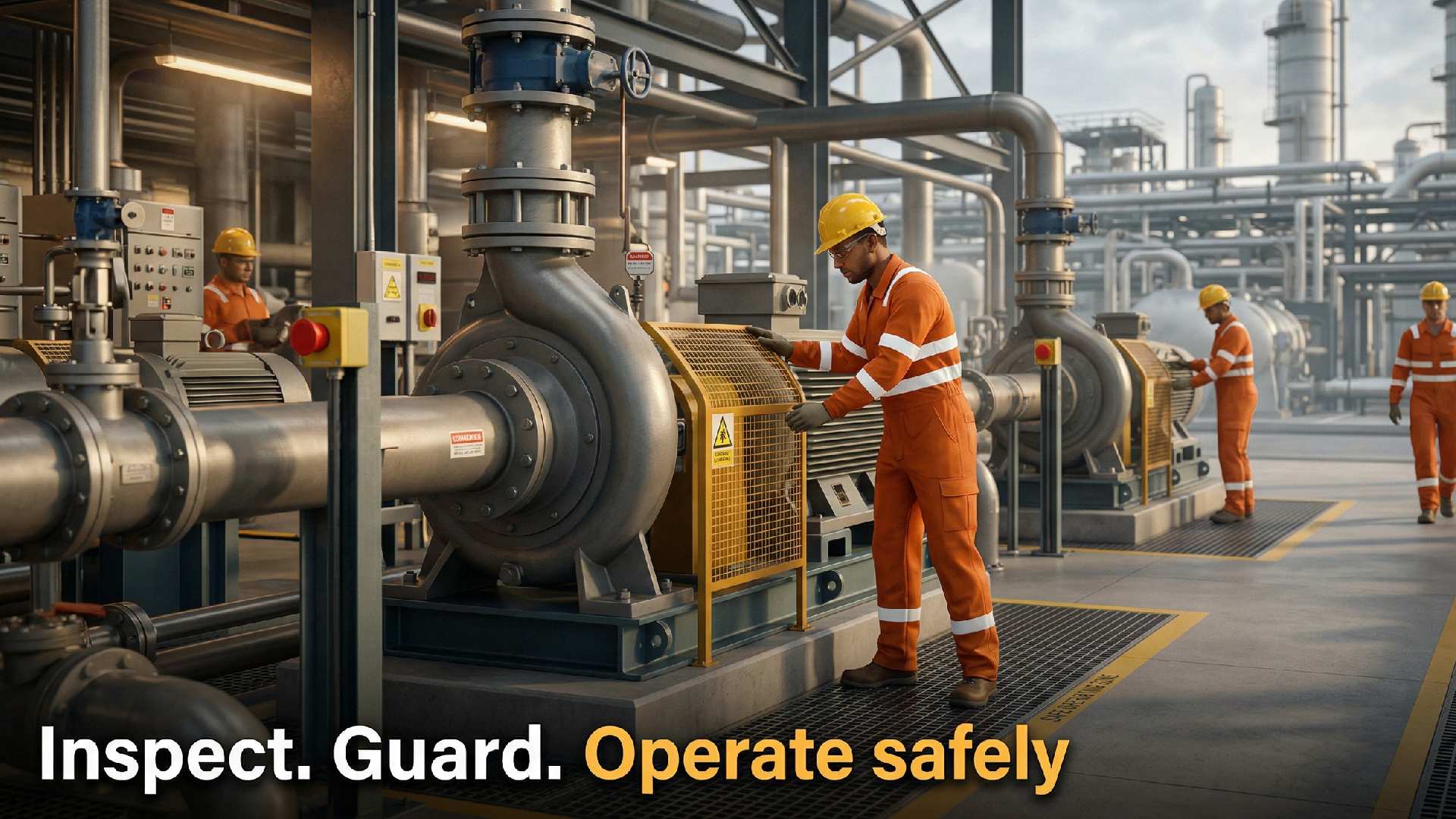
Working with machines in oil and gas environments involves powerful equipment that performs demanding tasks such as lifting, cutting, and compressing materials. While these machines make operations more efficient, they also introduce serious risks if they are not used properly. This course introduces the key safety principles required when working around machinery and equipment, helping workers understand potential hazards and the importance of proper machine operation, maintenance, and awareness.
Beyond basic awareness, the course focuses on building a strong safety mindset when interacting with machinery. Learners will explore how hazards occur, how protective systems like machine guards work, and why procedures such as Lockout/Tagout are essential during maintenance and servicing. By understanding safe work practices and inspection routines, participants will gain practical knowledge that helps reduce accidents and maintain a safer working environment in high-risk industrial settings.
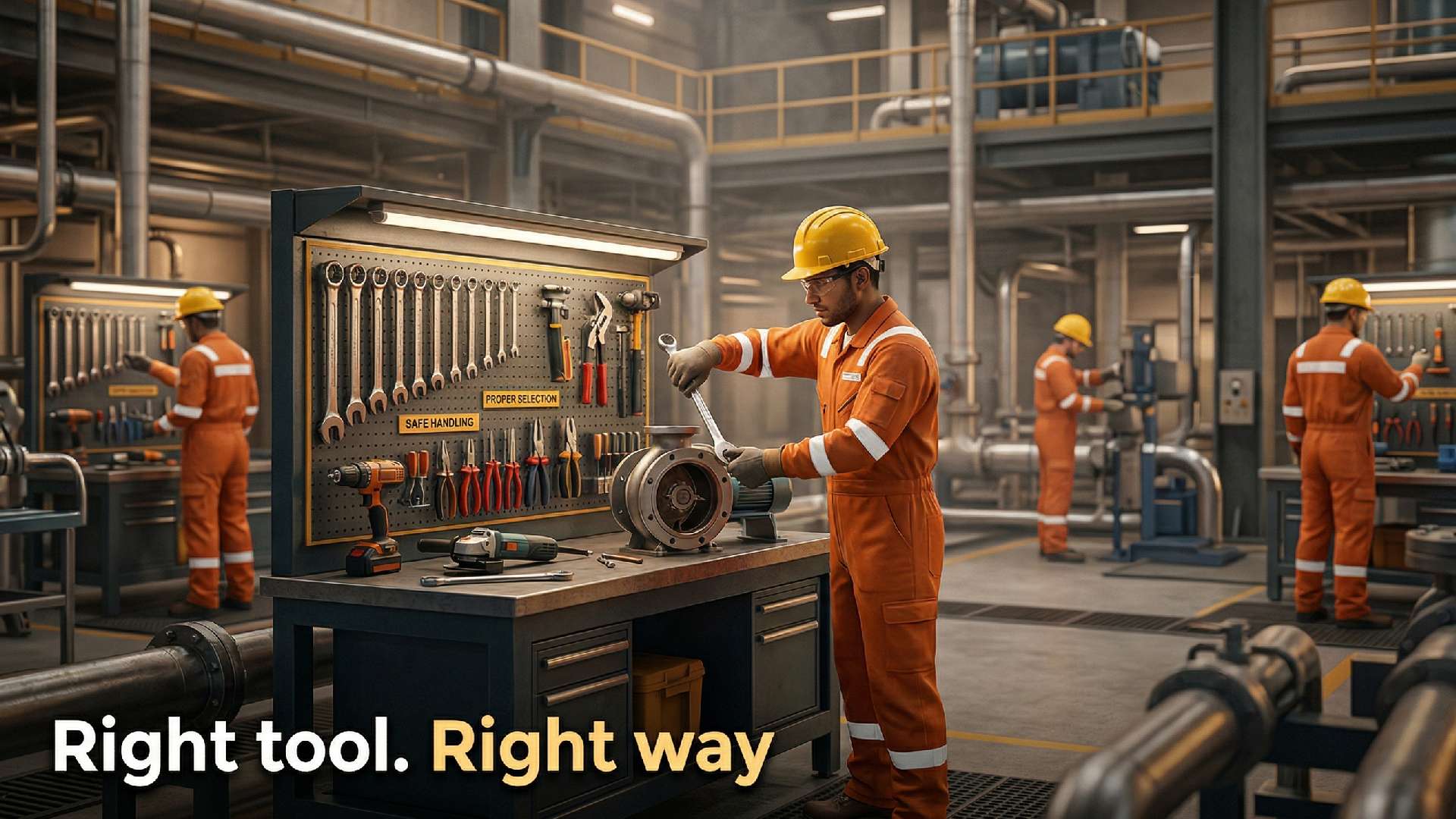
Hand and power tools are essential in oil and gas operations, supporting a wide range of tasks such as rig setup, pipe installation, maintenance, and repairs. While these tools make work efficient and precise, improper use or poor maintenance can lead to serious injuries and safety risks. Even a small hand tool, when used incorrectly, can cause significant harm to workers and equipment. Therefore, understanding the correct way to select, handle, and maintain tools is critical in maintaining a safe working environment.
This course introduces the importance of tool safety in oil and gas workplaces and highlights the risks associated with improper tool use. It focuses on recognizing hazards, applying safe work practices, and maintaining awareness when working with different types of tools. By learning the correct procedures, inspection methods, and protective measures, workers can reduce accidents, protect themselves and others, and ensure tools are used efficiently in challenging industrial environments.
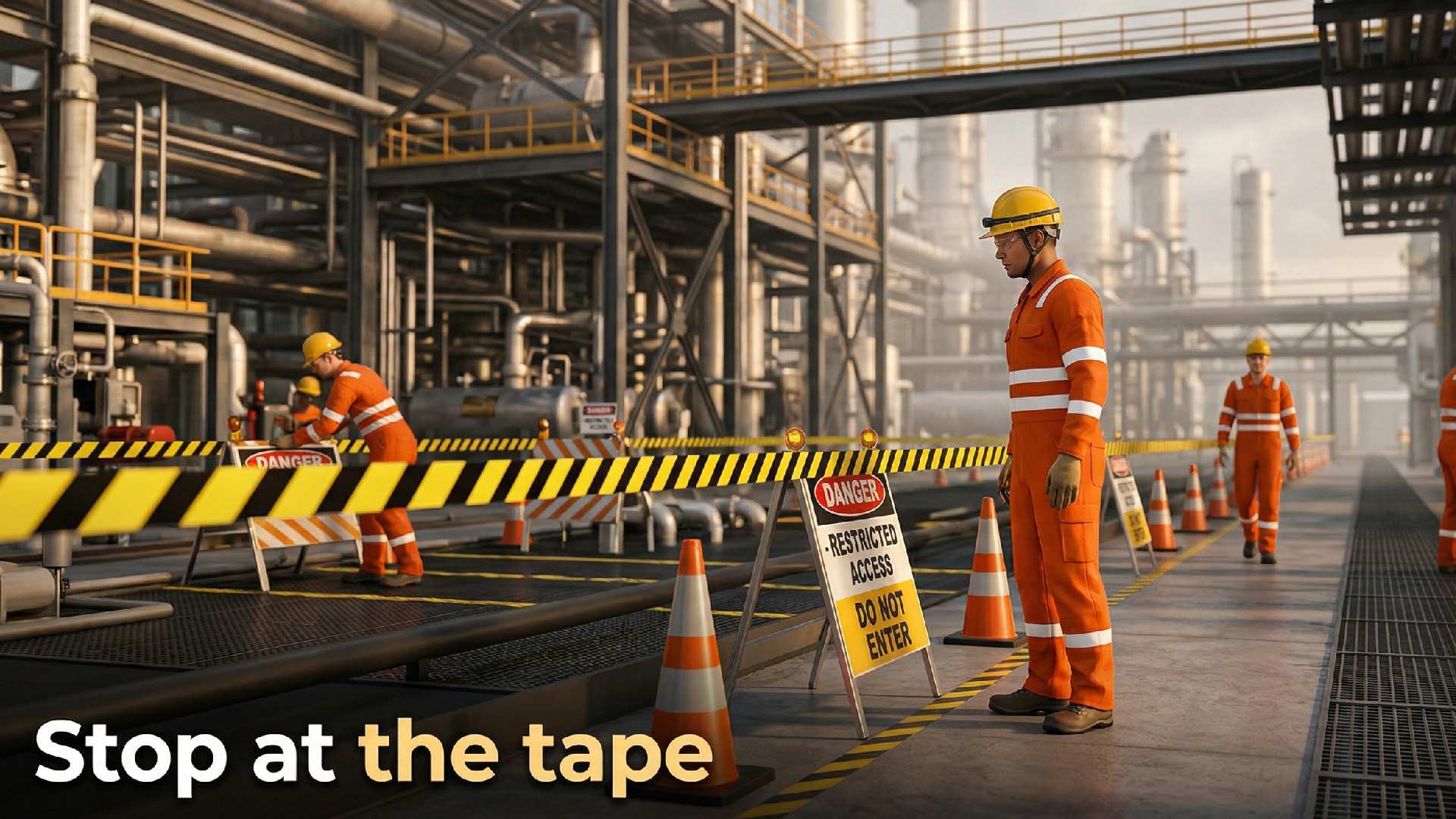
This course introduces the importance of barricading and signage control in oil and natural gas facilities, where hazards can change rapidly due to leaks, high-pressure operations, equipment movement, or energized work zones. In such dynamic environments, barricades and safety signs play a critical role in communicating danger, restricting unauthorized access, and maintaining safe work boundaries for all personnel on site.
The course also provides a broader understanding of how proper barricading systems and safety signage contribute to overall workplace safety. Participants will gain insights into different types of barricades, the working environments where they are used, standard safety color codes, and practical methods to ensure barricades and signs remain effective. By understanding these elements, workers and supervisors can help maintain controlled work zones and reduce the risk of accidents in high-hazard industrial environments.
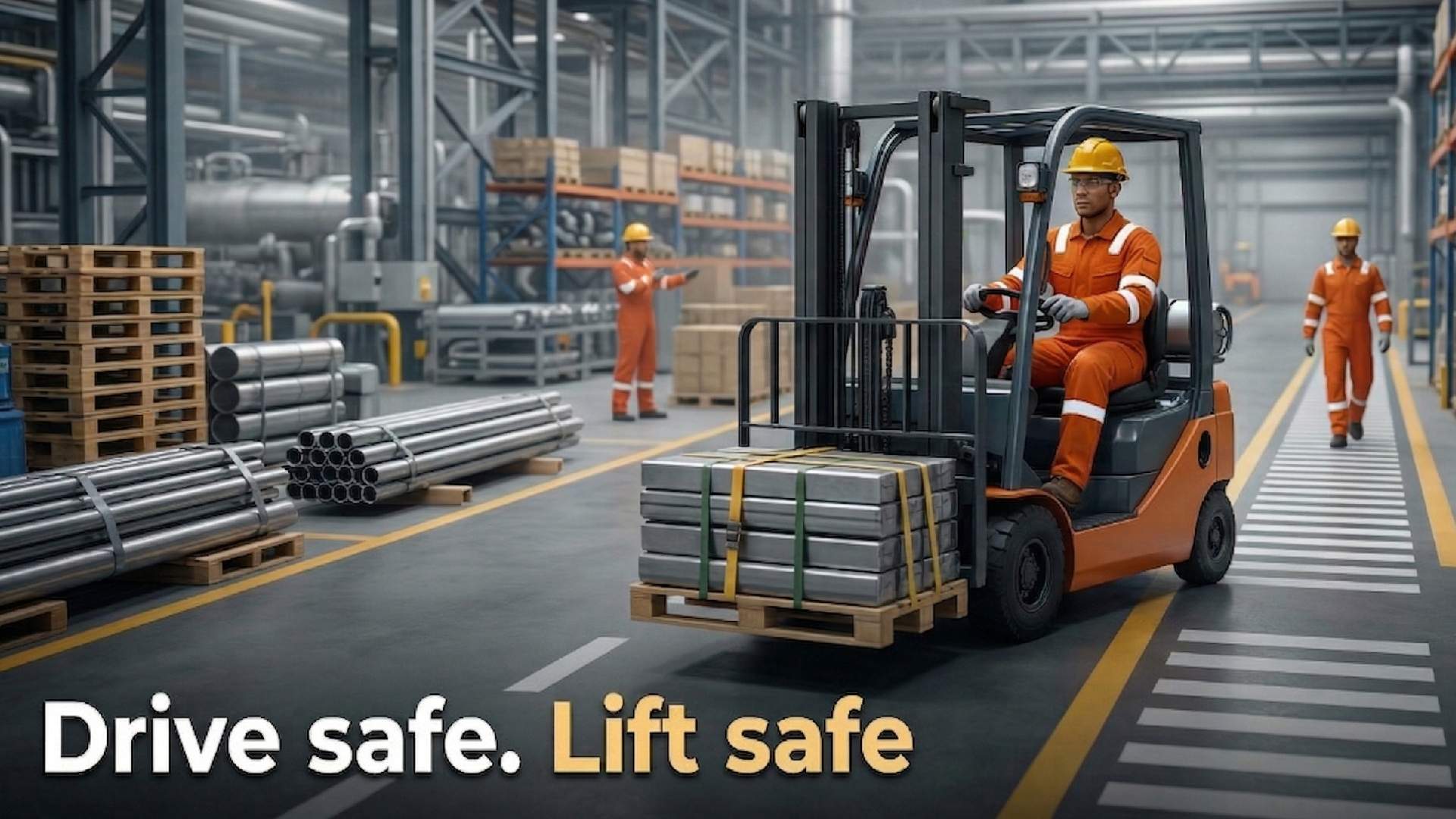
This course provides an overview of safe forklift operation and equipment handling in the oil and natural gas industry. Forklifts and other industrial lifting equipment play a vital role in logistics operations such as lifting, transporting, and positioning heavy materials. However, improper operation can lead to serious incidents such as tip-overs, collisions, crushed limbs, or damage to infrastructure. Because of the high-risk environments in oil and gas facilities, trained operators and strict safety procedures are essential for safe forklift use.
In addition to introducing the importance of forklift safety, this course explains the environments where forklifts are commonly used and the risks associated with operating them. Learners will gain practical knowledge about equipment inspection, safe load handling, operational awareness, and proper shutdown procedures. The course also highlights best practices for refueling, battery charging, and the importance of training and authorizing operators to ensure safe and compliant operations in industrial workplaces.
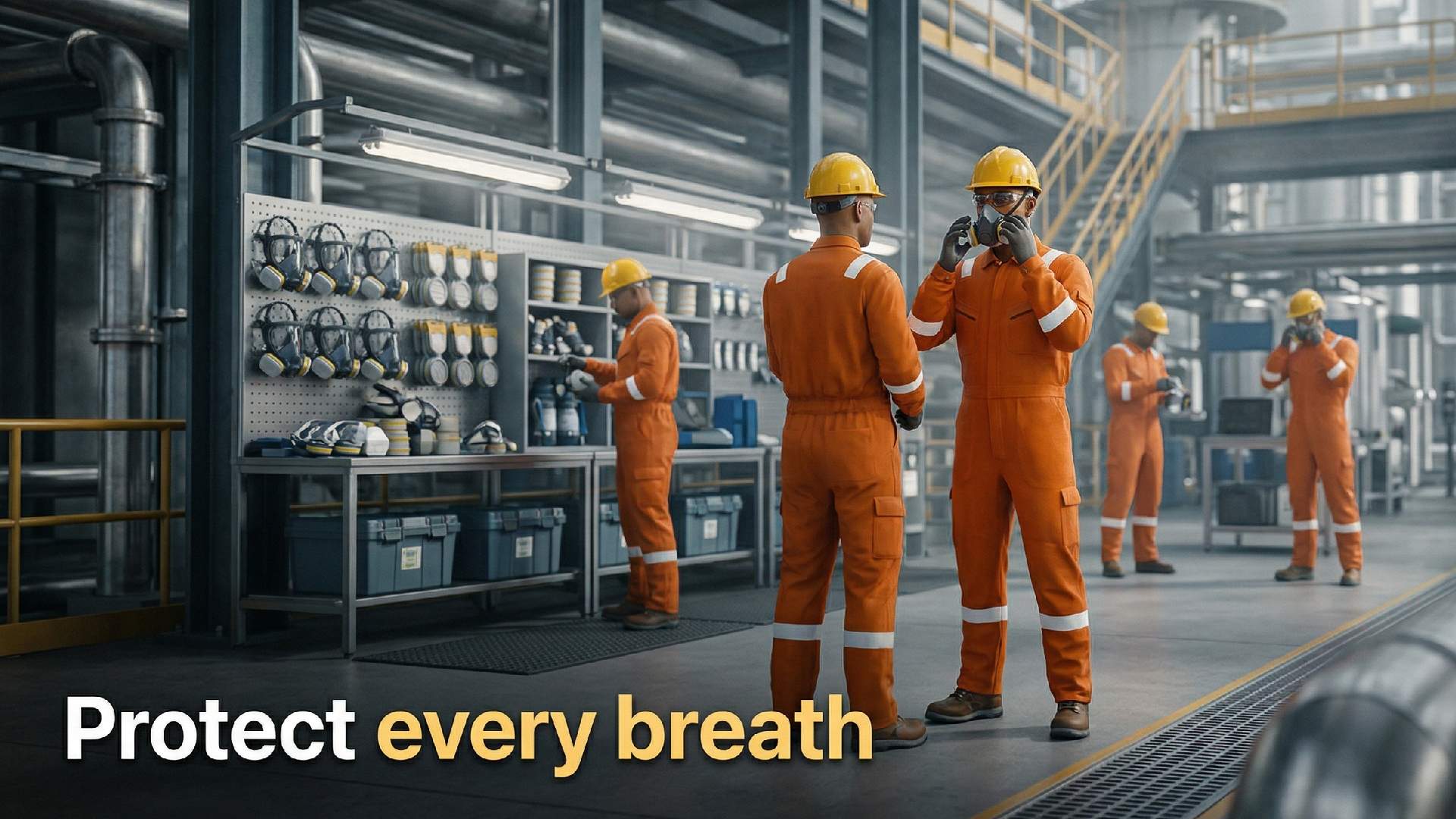
This course focuses on Respiratory Protection and Fit Testing, an essential safety practice in oil and gas work environments. Workers in these environments may be exposed to various breathing hazards such as harmful gases, airborne dust, fumes, and vapors that can seriously affect health. Respiratory protection is therefore not only a regulatory requirement but also a critical safeguard that helps protect workers from life-threatening exposure in hazardous conditions.
The course provides an overview of common respiratory hazards found in industrial settings and explains how proper respiratory protection can reduce risk. It introduces different types of respiratory protective equipment, the importance of fit testing, and safe usage practices. Participants will also gain an understanding of inspection, maintenance, and personal responsibilities to ensure respiratory equipment remains effective and reliable in demanding work environments.
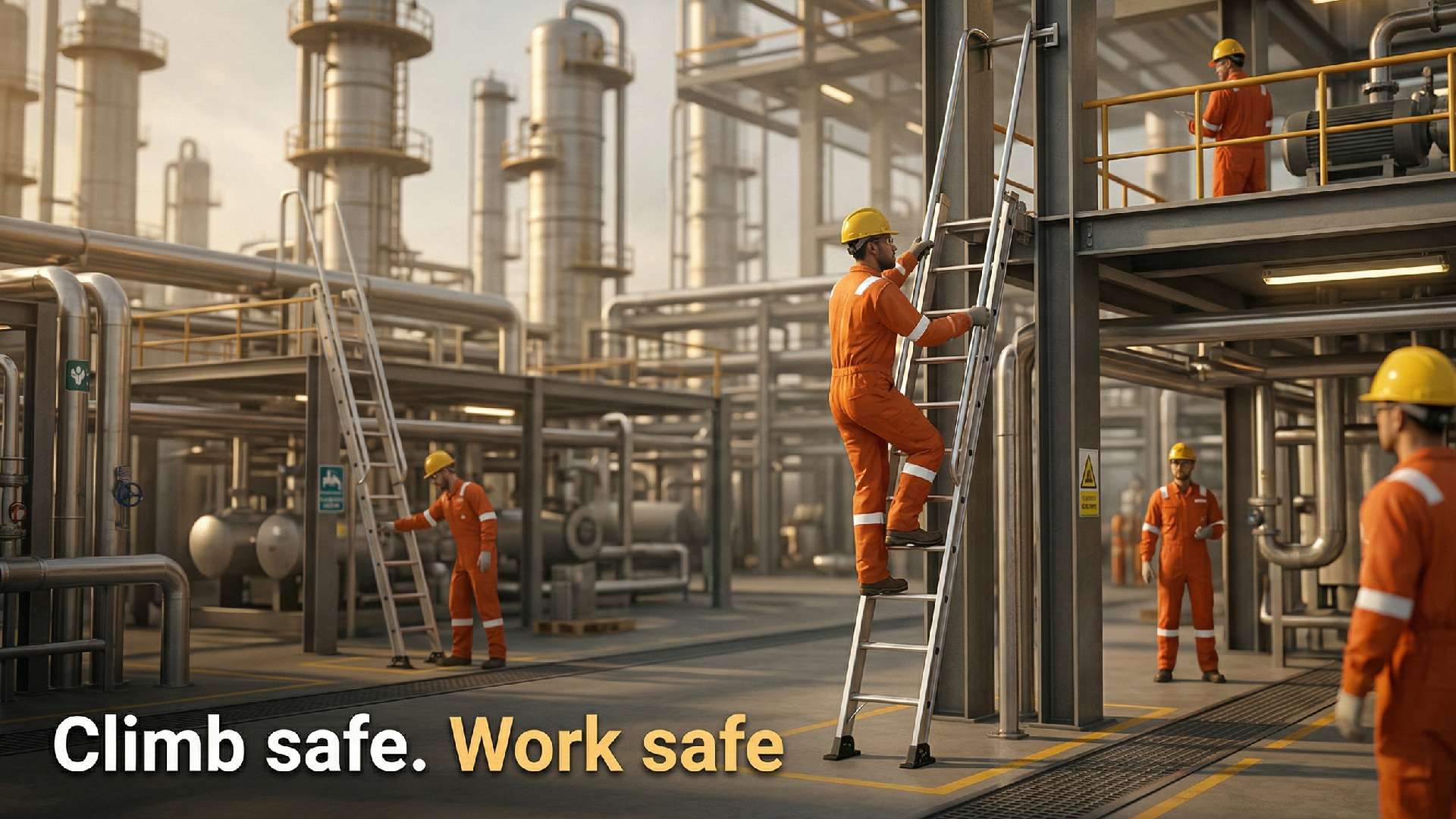
Proper Ladder Usage and Inspection (Oil and Natural Gas) focuses on the safe selection, setup, inspection, and use of ladders in oil and gas work environments. Ladders are commonly used to access platforms, tanks, scaffolds, and other elevated areas during daily operations. However, ladder-related falls remain a major cause of workplace injuries. This course highlights the importance of understanding ladder safety practices to reduce risks and ensure safe work at heights.
Throughout the course, learners will gain practical knowledge about identifying ladder hazards, choosing the correct ladder type for different tasks, and following proper inspection and maintenance procedures. The training also emphasizes worker responsibility and safe work habits that help prevent accidents. By applying these safety principles, workers can perform elevated tasks more confidently while protecting themselves and their team members.
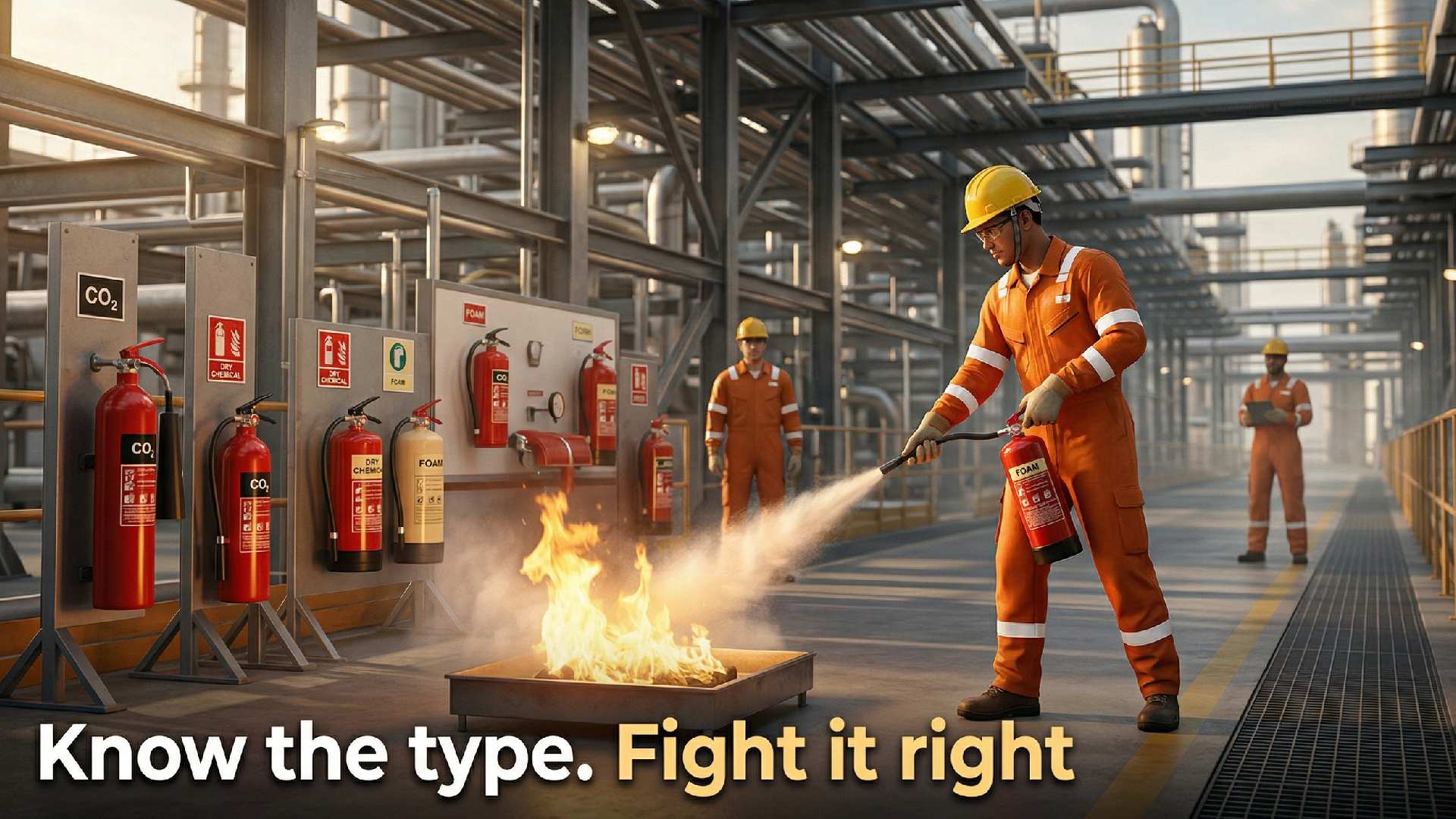
Fire hazards are a constant concern in oil and natural gas operations due to the presence of flammable fuels, gases, and electrical equipment. Workers must understand the different types of fires that can occur in these environments and know which fire extinguisher should be used in each situation. Proper knowledge and quick response can help control small fires before they escalate into serious emergencies, protecting both people and equipment.
This course is designed to help workers understand the fundamentals of fire safety in industrial environments. It introduces the different fire classes, explains the types of fire extinguishers available, and highlights their proper use. The course also focuses on safe handling practices, inspection procedures, and the responsibilities of workers during fire emergencies. By building awareness and practical knowledge, the course helps workers respond confidently and safely in potential fire situations.
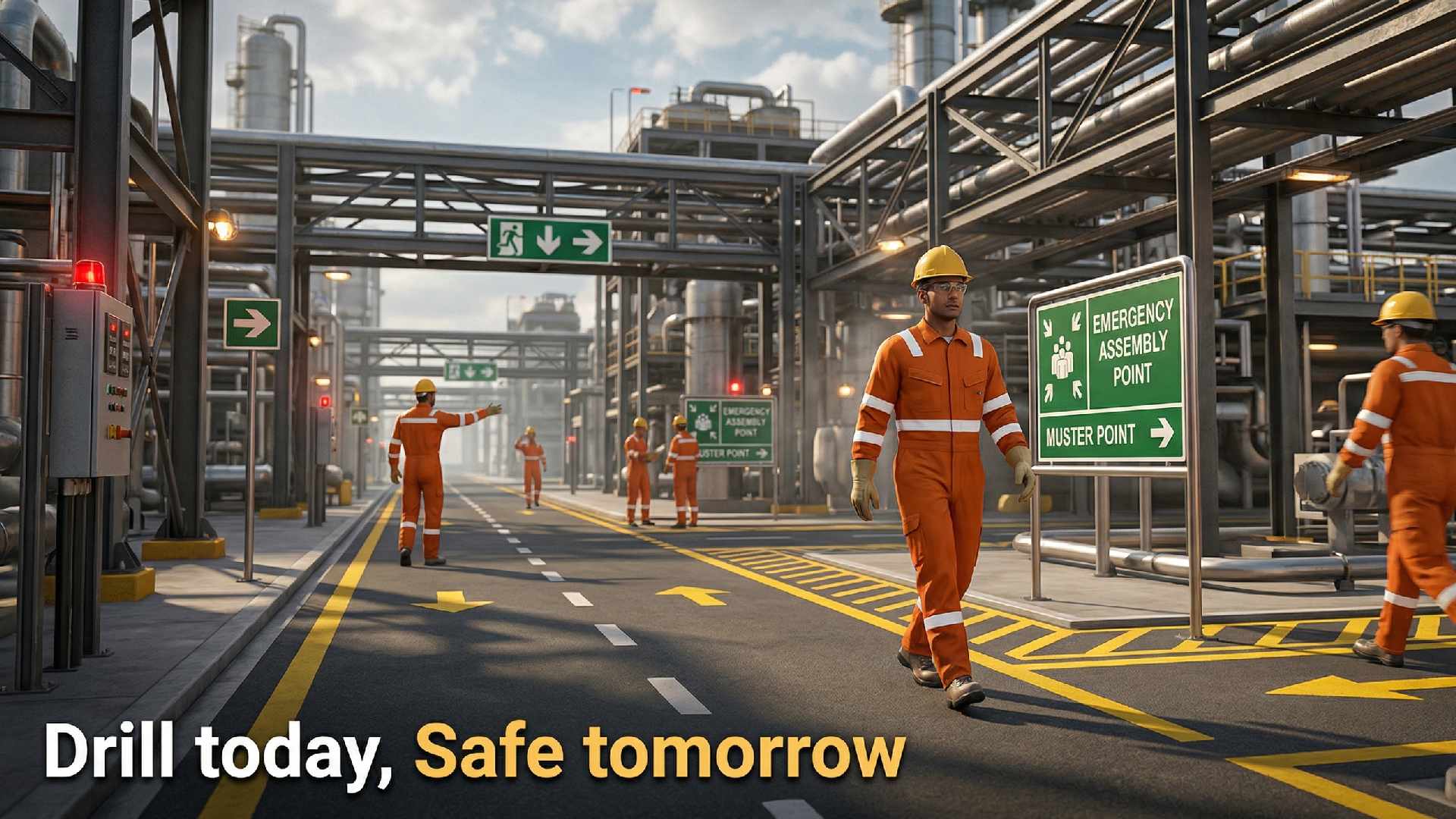
Emergencies can occur unexpectedly in oil and gas operations, including fires, gas leaks, explosions, spills, or medical incidents. In such situations, the ability to respond quickly, calmly, and in a coordinated manner is critical to protecting lives and minimizing damage. This course introduces the essential principles of emergency response and evacuation procedures, helping workers understand how to react effectively when an incident occurs.
In addition to introducing emergency situations, the course explains the importance of preparation, communication, and teamwork during critical events. Participants will gain a clear understanding of emergency plans, alarm systems, evacuation routes, and muster points. The course also highlights the role of evacuation drills in building confidence and ensuring that every worker is ready to respond safely and efficiently during real emergencies.
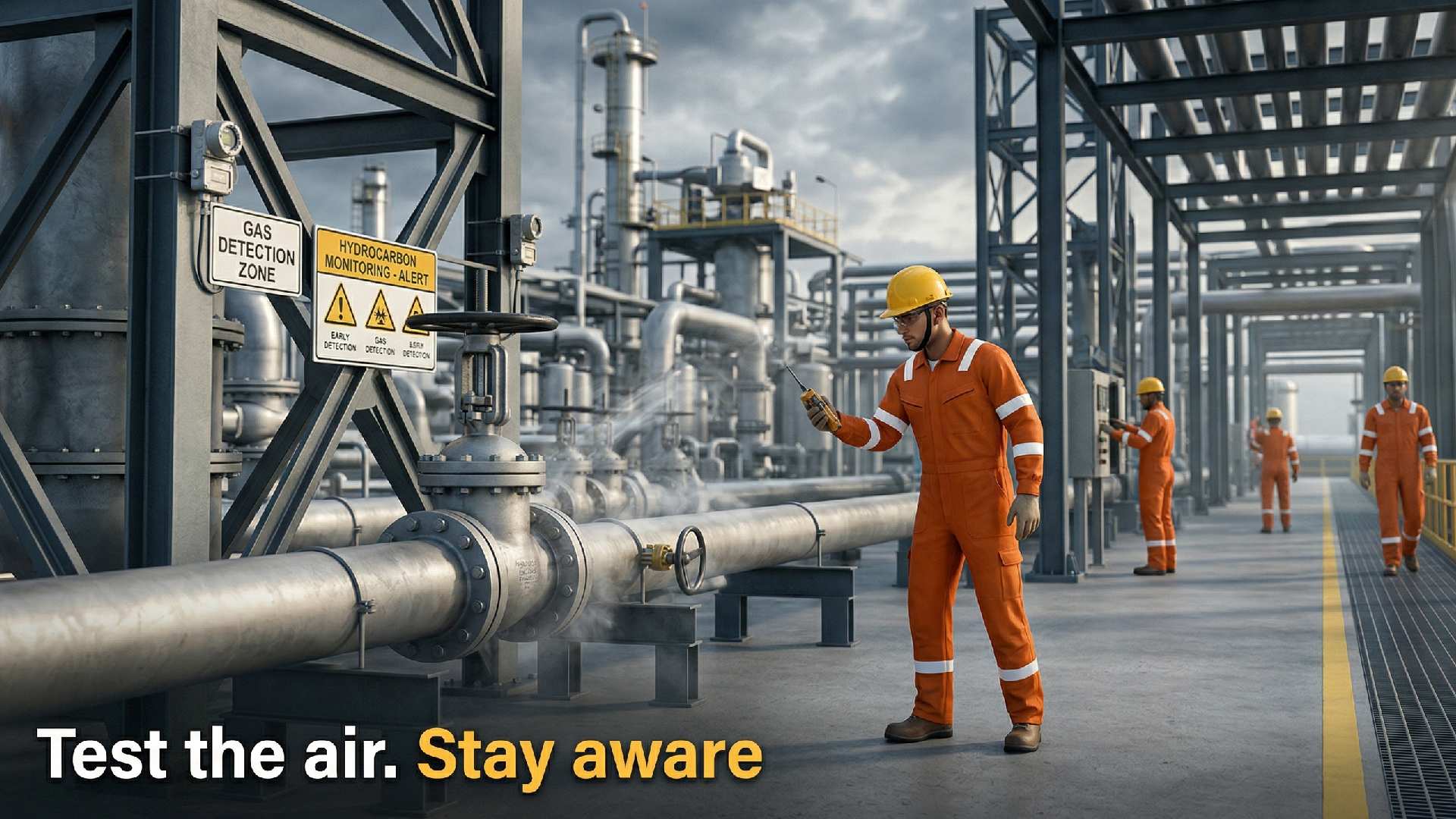
Hydrocarbon leaks are among the most dangerous incidents in oil and gas operations. Gases and vapors such as methane, propane, and hydrogen sulfide can ignite, explode, or cause serious health hazards when released into the atmosphere. Early detection, proper response, and safe evacuation procedures are essential to protect workers, equipment, and the surrounding environment.
This course provides an overview of how hydrocarbon leaks can occur in oil and gas facilities and the importance of gas detection systems in preventing serious incidents. It introduces the environments where leaks may occur, the common causes behind them, and the correct actions workers must take when a leak is detected. The course also highlights the role of workers in maintaining safety by understanding alarms, following emergency procedures, and ensuring proper reporting and response practices.
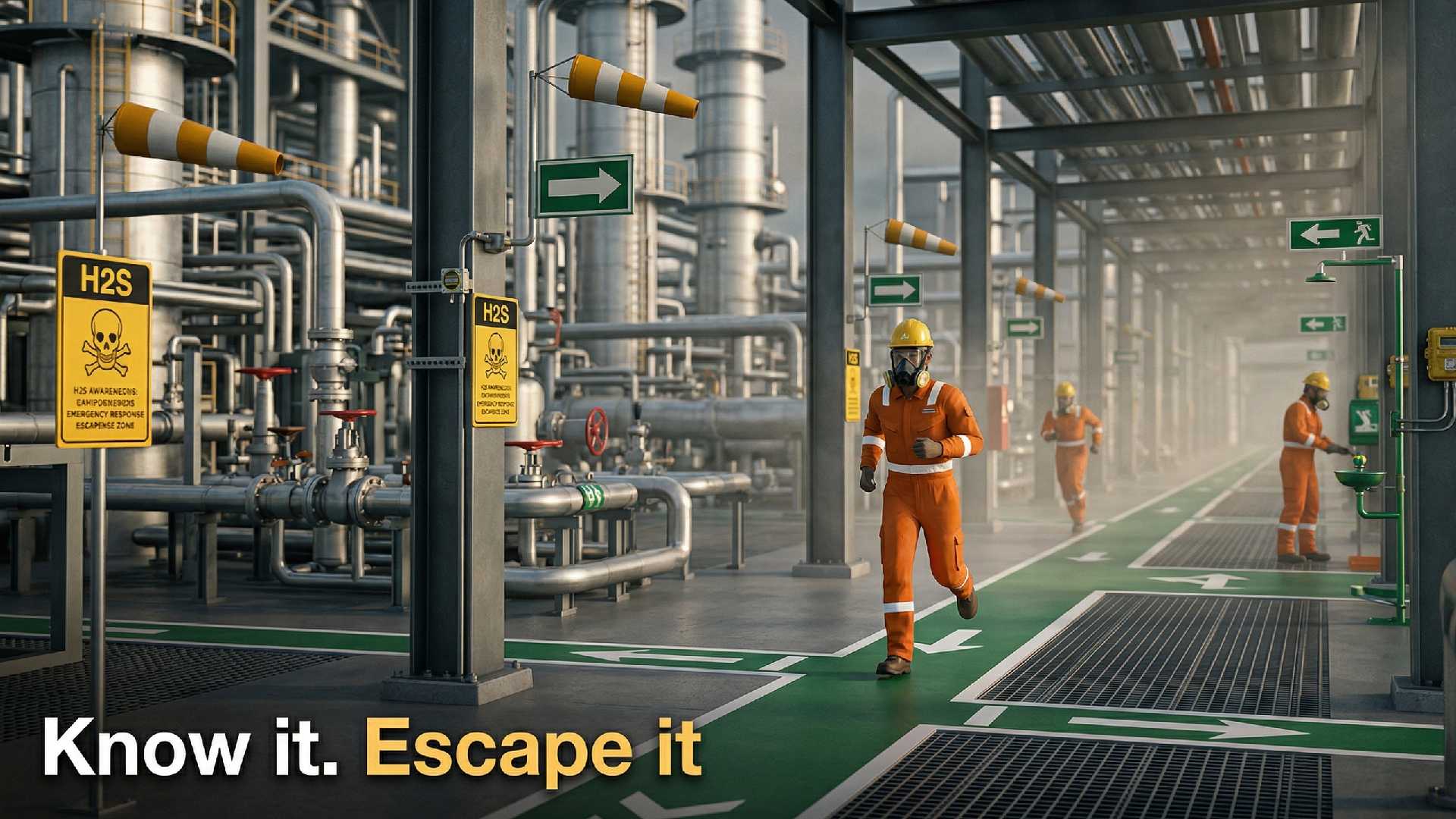
Hydrogen sulfide (H₂S) is one of the most dangerous gases encountered in oil, gas, and petrochemical operations. It is colorless, heavier than air, and extremely toxic, and even short exposure can be life-threatening. Because H₂S can appear suddenly and without warning, it is essential that workers understand how to recognize its presence, protect themselves, and respond quickly to ensure their safety and the safety of others.
This course provides essential awareness about H₂S hazards and the safe work practices required in environments where the gas may be present. Participants will gain an understanding of common risk areas, monitoring systems, protective equipment, and emergency escape procedures. The course is designed to strengthen worker preparedness so that individuals can identify potential dangers early and respond effectively during an H₂S incident.
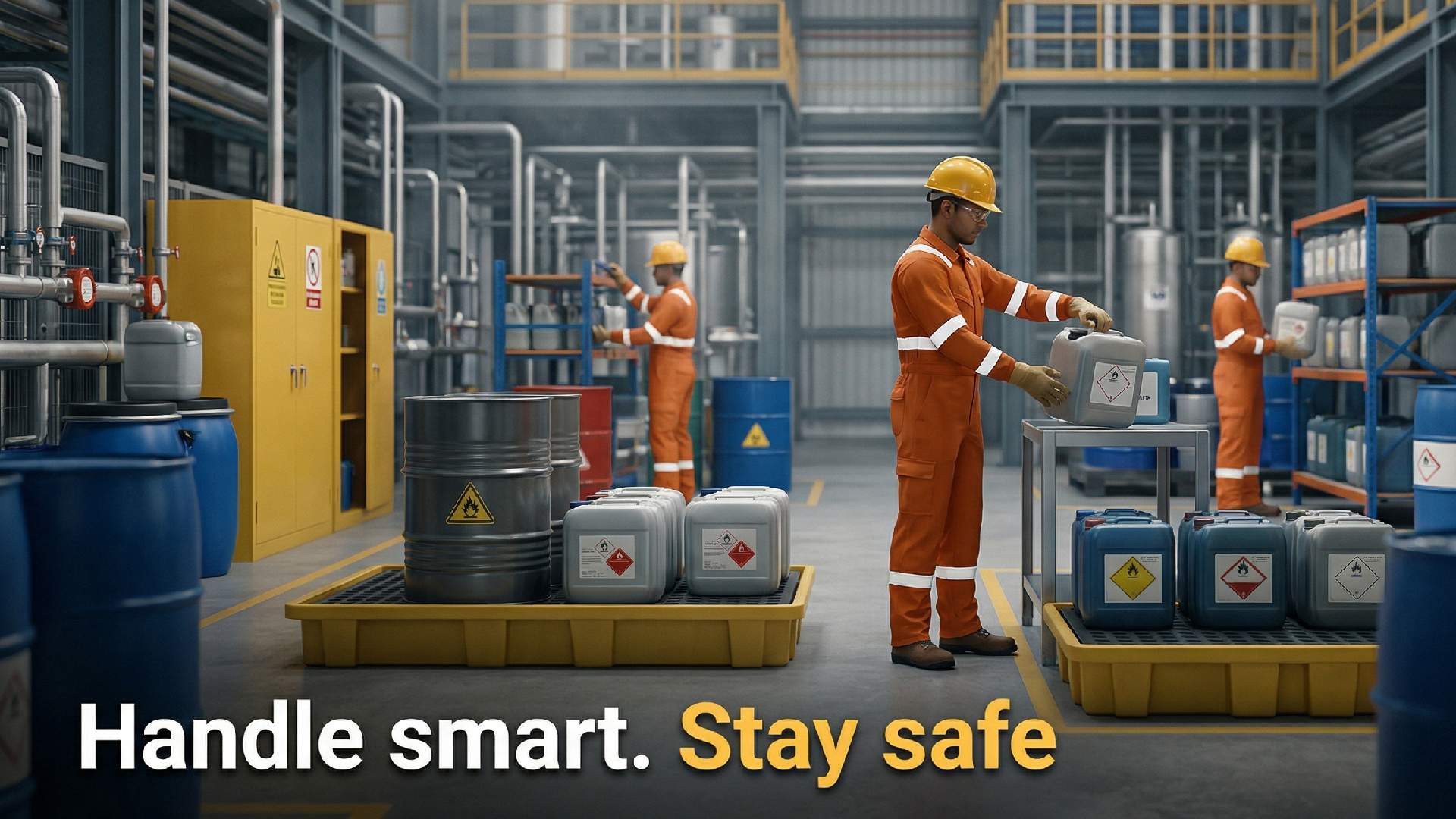
Chemical safety is a critical aspect of operations in the oil and natural gas industry. Chemicals are widely used in various activities such as drilling, cleaning, refining, and maintenance. While these substances support efficient operations, improper handling can lead to serious risks including fires, explosions, chemical burns, and toxic exposure. Understanding the hazards associated with chemicals and following proper safety practices is essential to maintaining a safe work environment.
This course is designed to build awareness about chemical hazards and provide practical guidance on safe handling procedures. Learners will gain an understanding of how chemicals are used across different operational environments, the importance of labels and Safety Data Sheets (SDS), and the role of proper storage, protective equipment, and emergency response. The course emphasizes responsible behavior, safety compliance, and teamwork to reduce risks and ensure workplace safety.
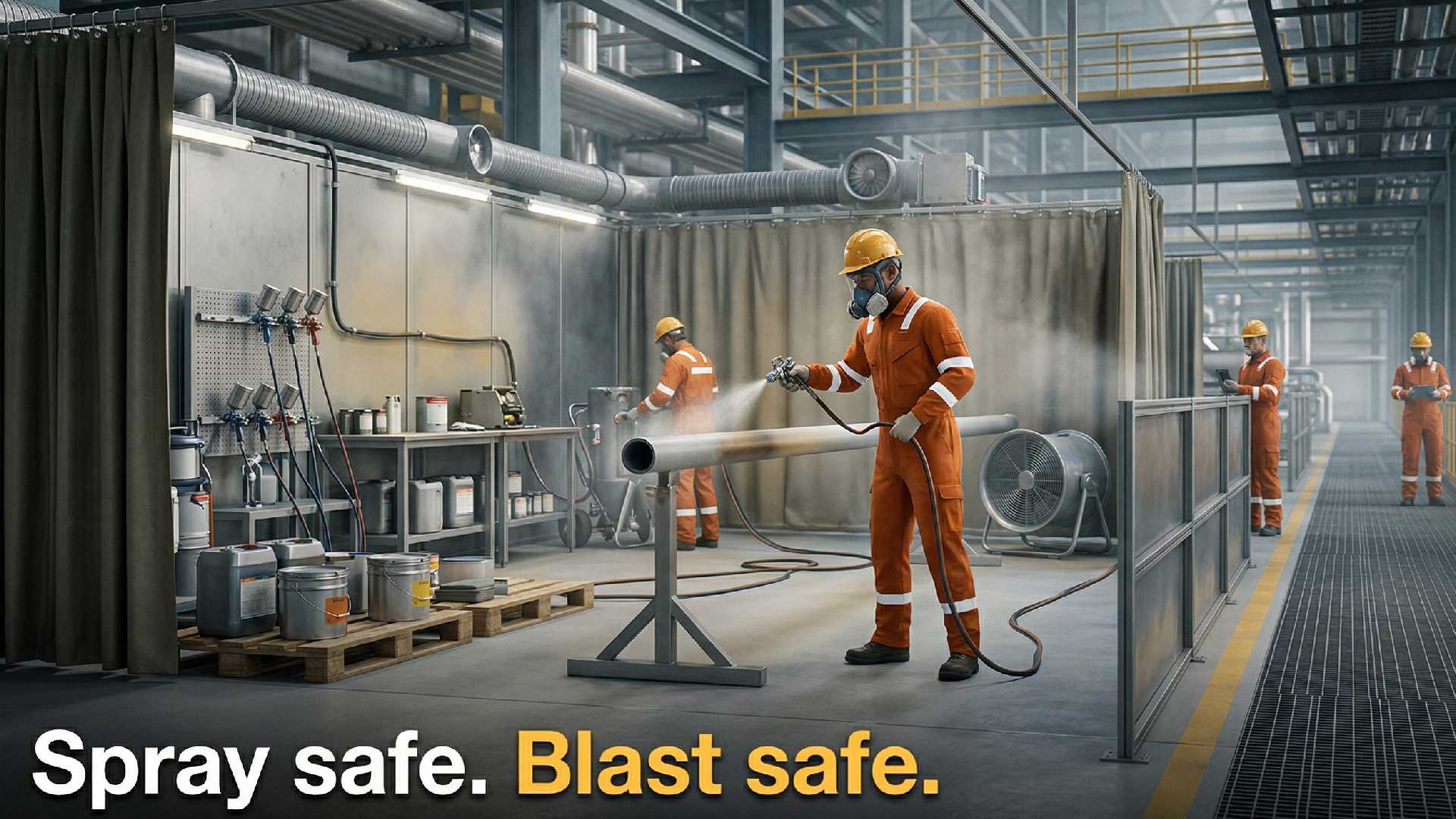
Painting and abrasive blasting are common activities in the oil and natural gas industry used to protect equipment, pipelines, and structures from corrosion and damage. While these tasks help extend the lifespan of critical assets, they also expose workers to several hazards such as toxic fumes, high pressure equipment, flying particles, excessive noise, and potential fire risks. Understanding these risks and applying proper safety procedures is essential to ensure safe operations in painting and blasting environments.
This course provides an overview of the safety principles, hazards, and preventive measures associated with painting and abrasive blasting tasks. It highlights safe work practices, proper equipment handling, ventilation requirements, fire prevention methods, and environmental protection responsibilities. The course is designed to help workers recognize risks early and apply the correct controls to maintain a safe working environment in oil and gas facilities.
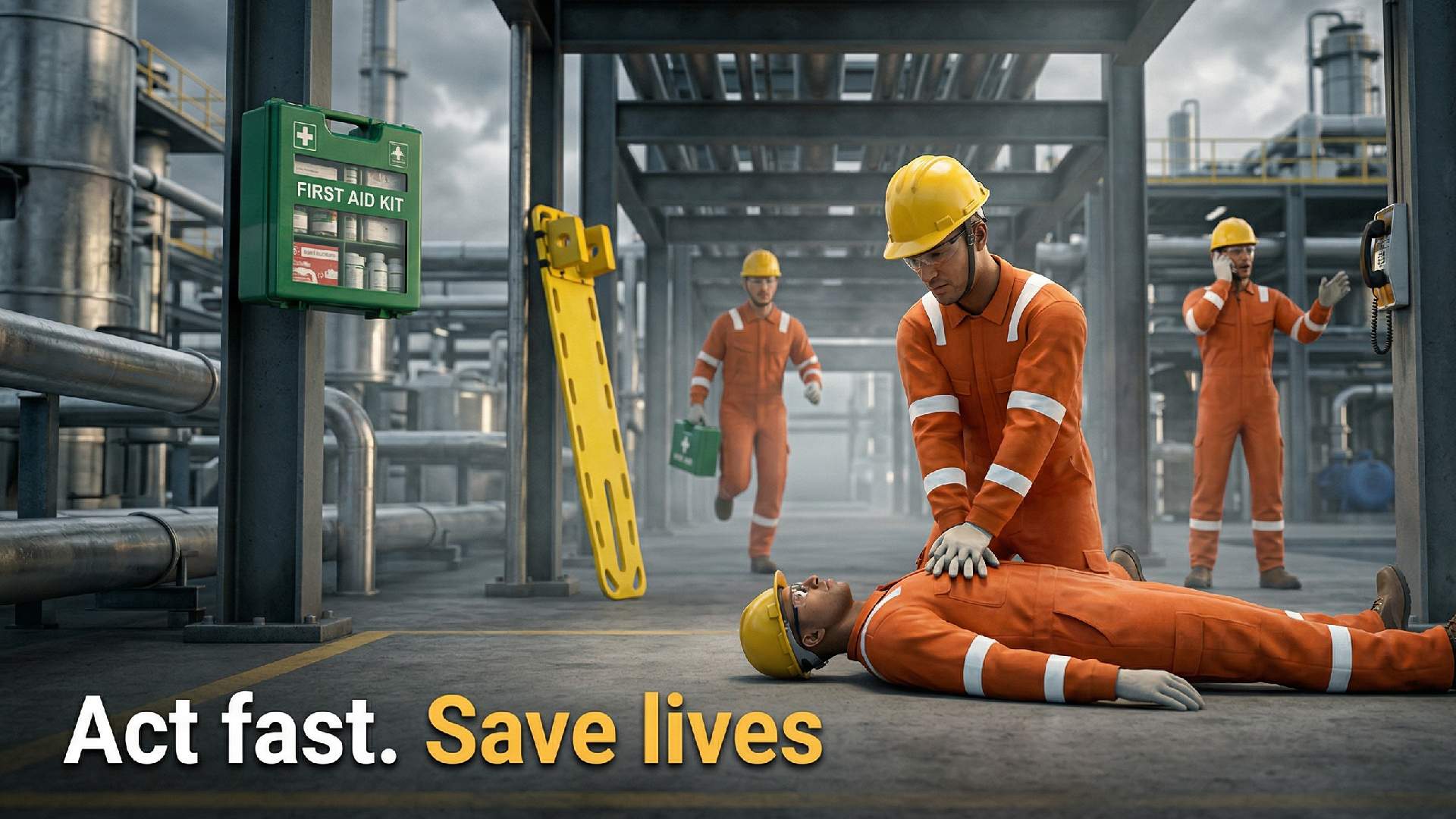
Accidents and medical emergencies can occur at any time in oil and natural gas operations. In such situations, immediate and correct first aid plays a critical role in protecting lives, minimizing injury severity, and improving recovery outcomes. This course introduces essential first aid awareness and CPR knowledge specifically designed for workers in the oil and gas industry, where remote locations and hazardous environments can delay professional medical assistance.
The course focuses on building awareness and confidence to respond effectively during workplace emergencies. Participants will gain an understanding of common injuries, the importance of quick response, and the basic actions required before medical professionals arrive. By learning practical first aid principles and CPR awareness, workers can contribute to a safer work environment and be better prepared to support colleagues during critical situations.
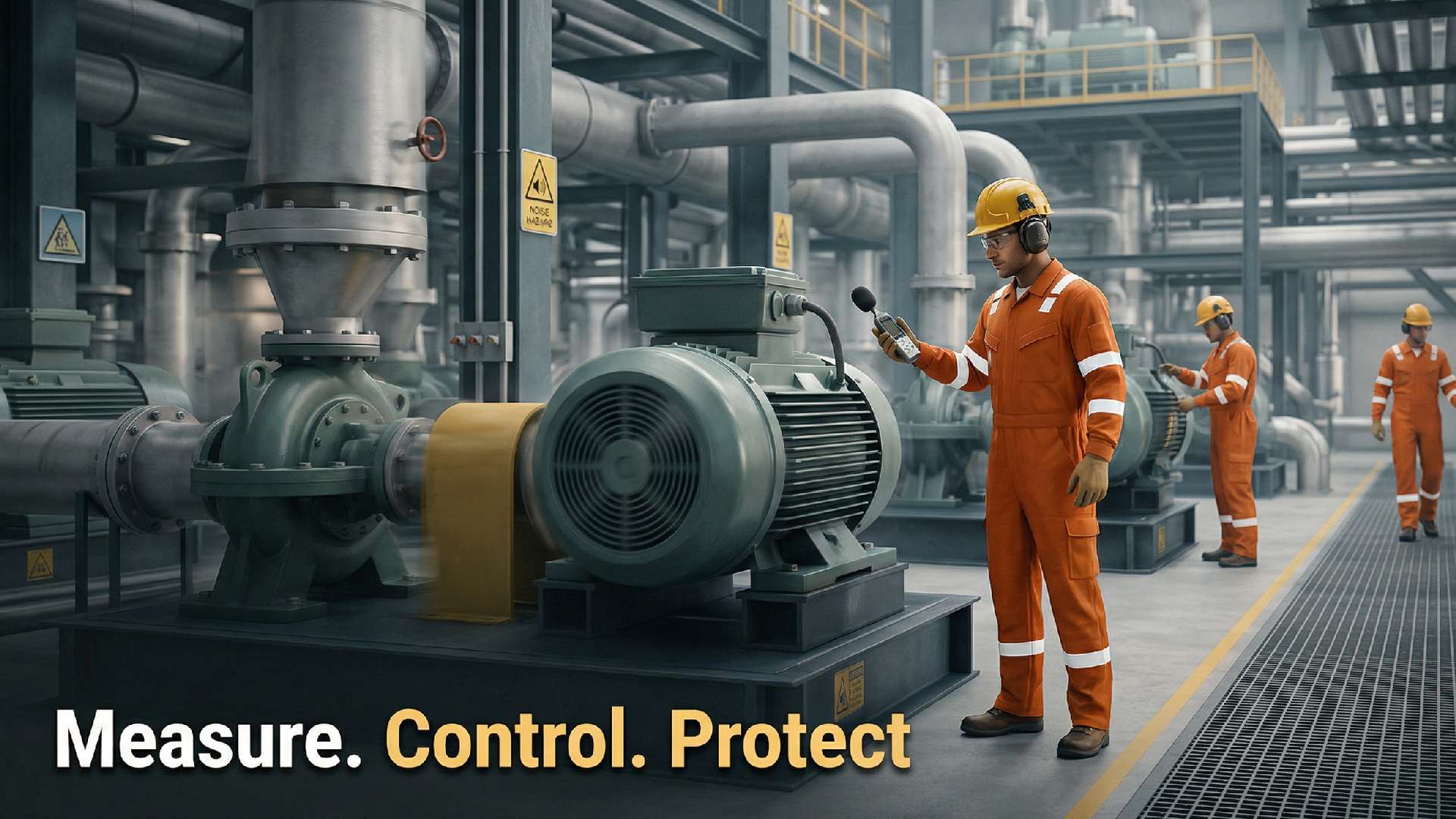
Noise and vibration are common hazards in oil and gas operations, especially in environments where heavy machinery, drilling equipment, compressors, and transport vehicles are used. Continuous exposure to high noise levels and mechanical vibration can negatively affect workers’ health, leading to issues such as hearing loss, fatigue, reduced concentration, and other long-term physical effects. Understanding how these hazards occur and how they impact the body is essential for maintaining a safe and productive working environment.
This course provides an overview of noise and vibration hazards commonly encountered in oil and gas workplaces. It introduces the environments where these risks are most likely to occur and explains why proper monitoring, safety practices, and protective equipment are important. Learners will gain practical knowledge on recognizing hazardous situations, applying control measures, and following safe work practices to reduce exposure and protect long-term health on the job.
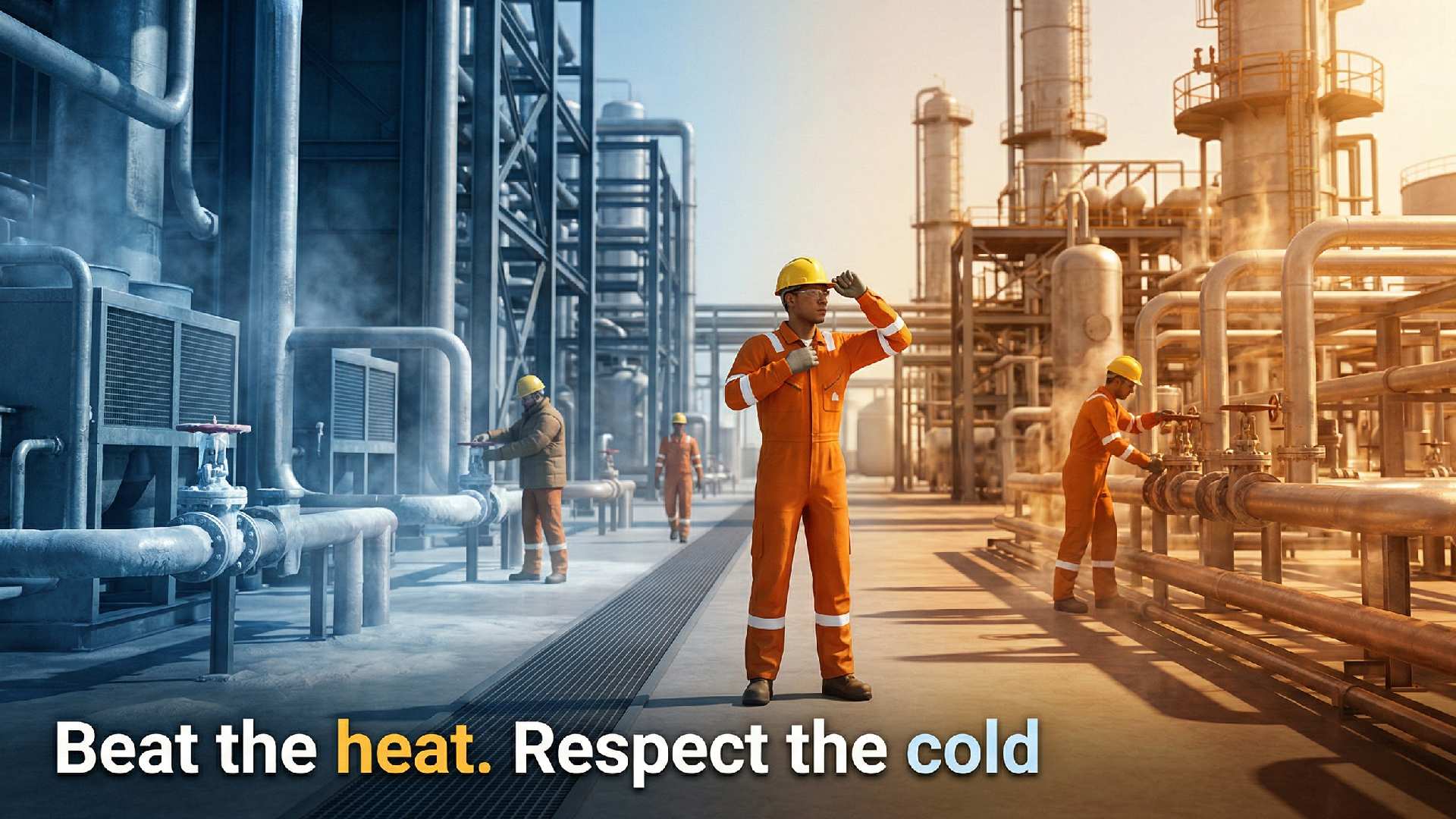
Working in the oil and natural gas industry often requires employees to operate in extremely hot or cold environments, such as desert locations, offshore platforms, or freezing northern regions. These harsh conditions can expose workers to serious health risks like heat stress and cold stress. If these conditions are not identified and controlled early, they can lead to severe illness or even life-threatening situations. This course introduces the key concepts related to working safely in extreme temperatures and the importance of recognizing early warning signs.
The course also explains how temperature extremes affect the human body and the practical steps workers and supervisors can take to reduce these risks. Learners will understand preventive measures, proper work practices, and the importance of hydration, protective clothing, and rest breaks. By building awareness and encouraging safe behaviors, this training helps workers protect themselves and their teammates while performing tasks in challenging environmental conditions.

This course introduces the concept of ergonomics in oil and natural gas operations, focusing on both field work and control room environments. Workers in these roles often face physical and mental demands that can lead to fatigue, strain, or long-term injuries if not managed properly. The course highlights how designing work to fit the worker can help improve comfort, safety, and productivity across daily operations.
Beyond the basics, the course explores common ergonomic risks found in operational areas and provides practical approaches to prevent them. It emphasizes the importance of proper work practices, workstation setup, safe lifting techniques, and regular movement during work. Participants will also learn how awareness, early reporting of discomfort, and shared responsibility between workers and organizations can contribute to a safer and healthier workplace.
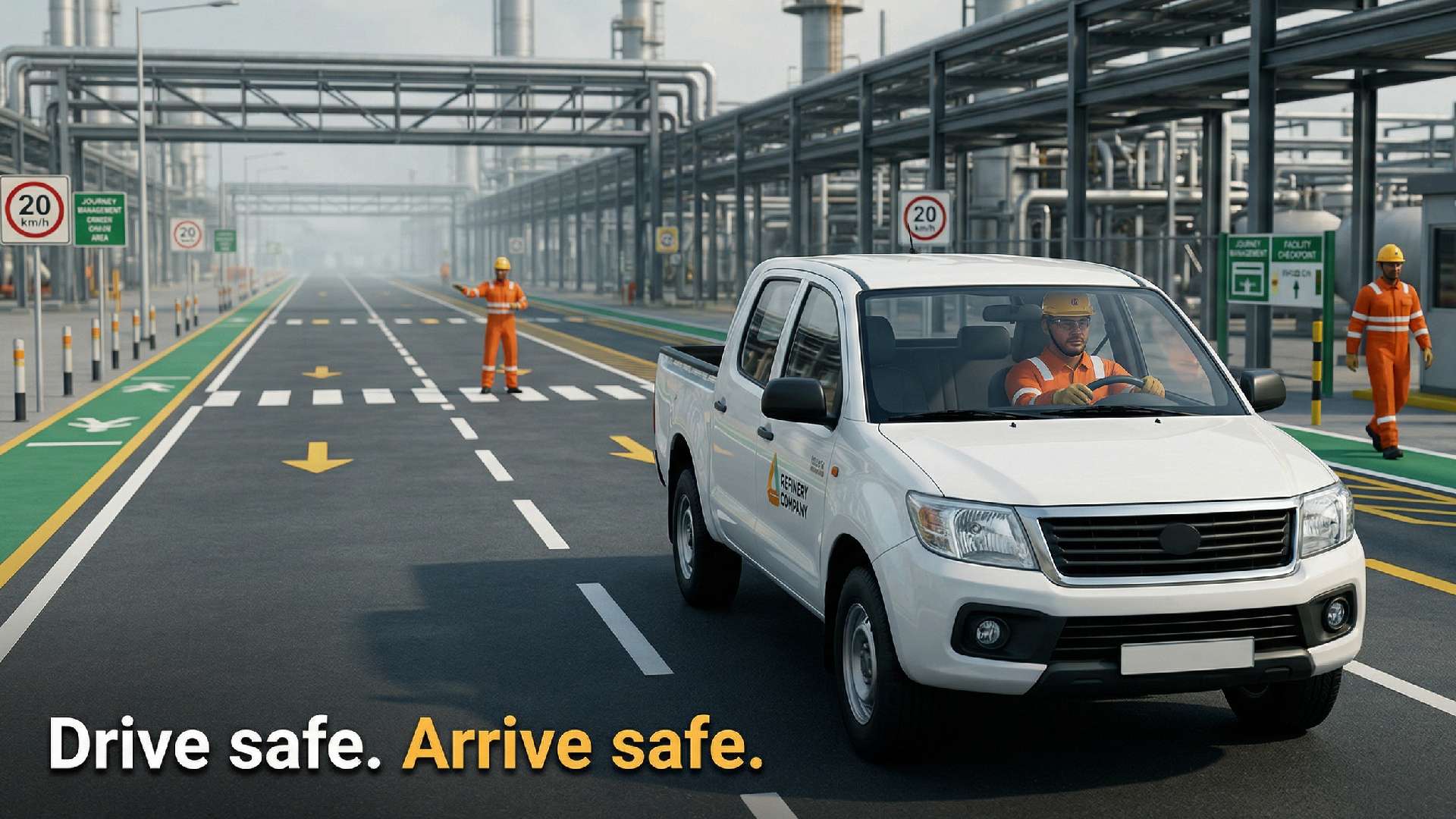
Driving is one of the most significant risk activities in the oil and gas industry. Employees often travel across public roads, remote areas, and site access routes, where vehicle incidents can lead to serious injuries or fatalities. This course introduces the key risks associated with driving in oil and gas operations and highlights the importance of safe driving practices, awareness of hazards, and proper journey planning to ensure every trip is completed safely.
In addition, the course explains practical safety measures that help reduce driving-related incidents. It focuses on developing a proactive safety mindset through defensive driving techniques, proper vehicle inspections, fatigue management, and effective journey management. By understanding these essential practices, learners will gain the knowledge required to make safer decisions on the road and contribute to a stronger safety culture within their organization.
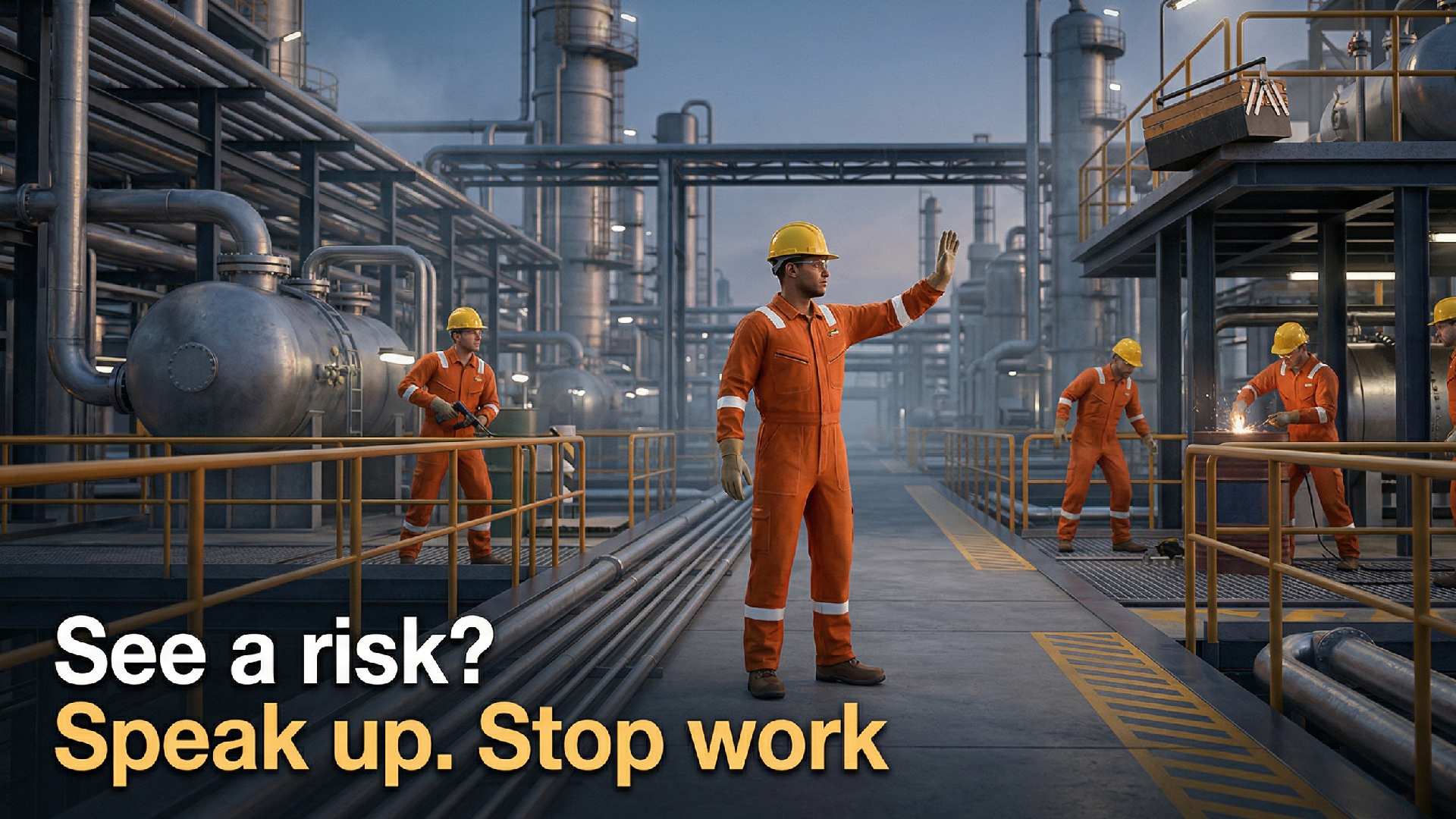
In oil and gas operations, work environments can change rapidly and unexpected hazards may arise from equipment, procedures, or human factors. Stop Work Authority (SWA) is a critical safety practice that allows every worker—regardless of their role or position—to stop a task immediately if they believe it is unsafe or could cause harm. This course introduces the concept of SWA and highlights its importance in preventing incidents and maintaining safe operations in high-risk environments such as oil and gas facilities.
Through this course, learners will understand how empowering workers to speak up and take action can significantly reduce workplace accidents. The training focuses on building awareness, encouraging responsible decision-making, and strengthening communication among teams. By promoting a proactive safety culture, the course helps organizations ensure that potential hazards are identified early, risks are managed effectively, and everyone plays an active role in maintaining a safe and controlled working environment.
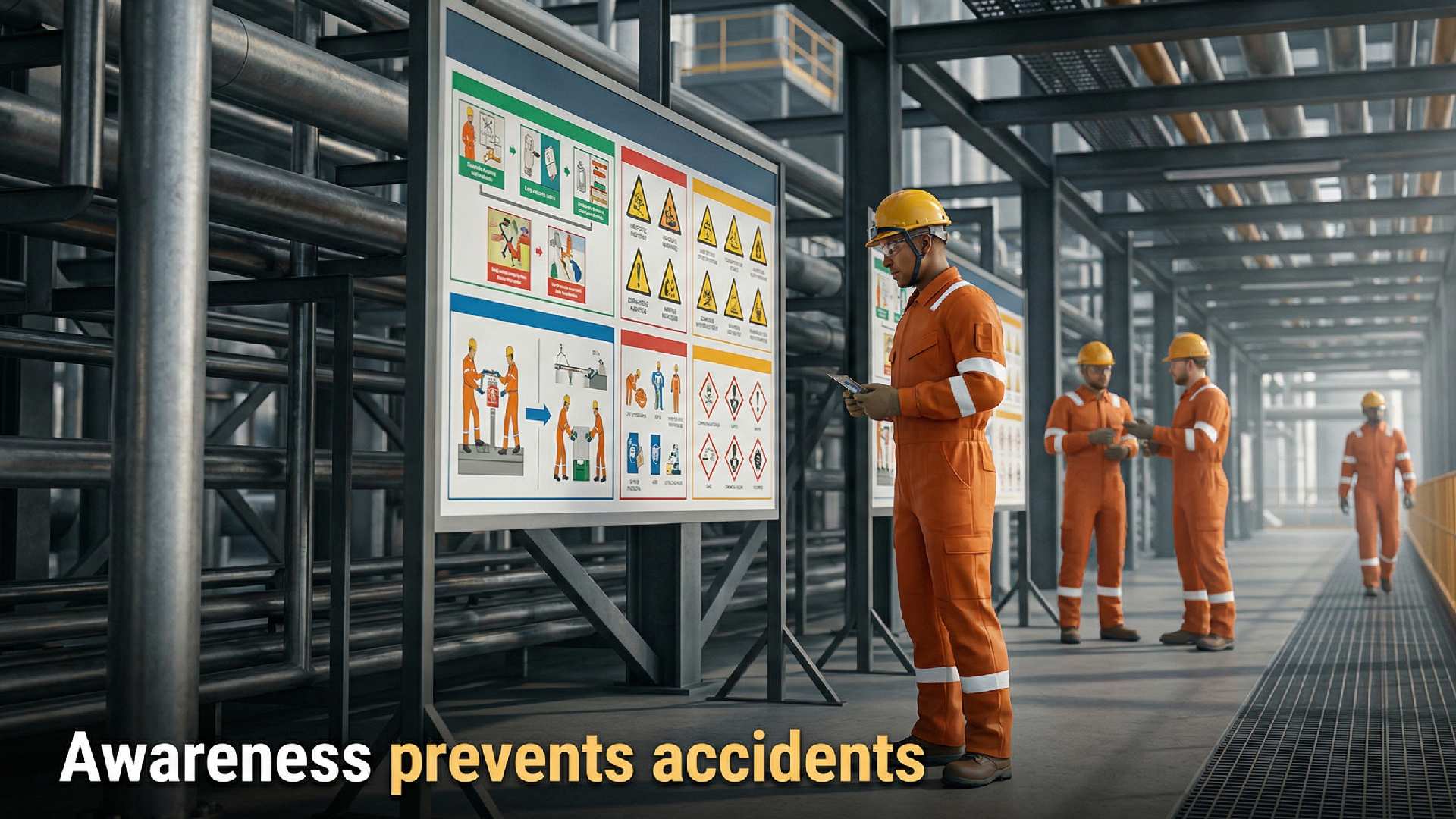
This course introduces the concept of human factors and situational awareness in oil and natural gas operations. It explains how human behavior, decision-making, and awareness directly influence safety in the workplace. Even small lapses in attention, judgment, or communication can lead to serious incidents, making it essential for workers to understand how these factors affect daily operations.
The course also explores practical ways to strengthen awareness and reduce human error while performing tasks. Learners will gain insight into common workplace challenges such as fatigue, stress, and distractions, and understand how these can impact performance. By focusing on proactive thinking, safe work practices, and effective communication, the course helps workers develop habits that support safer and more reliable operations.
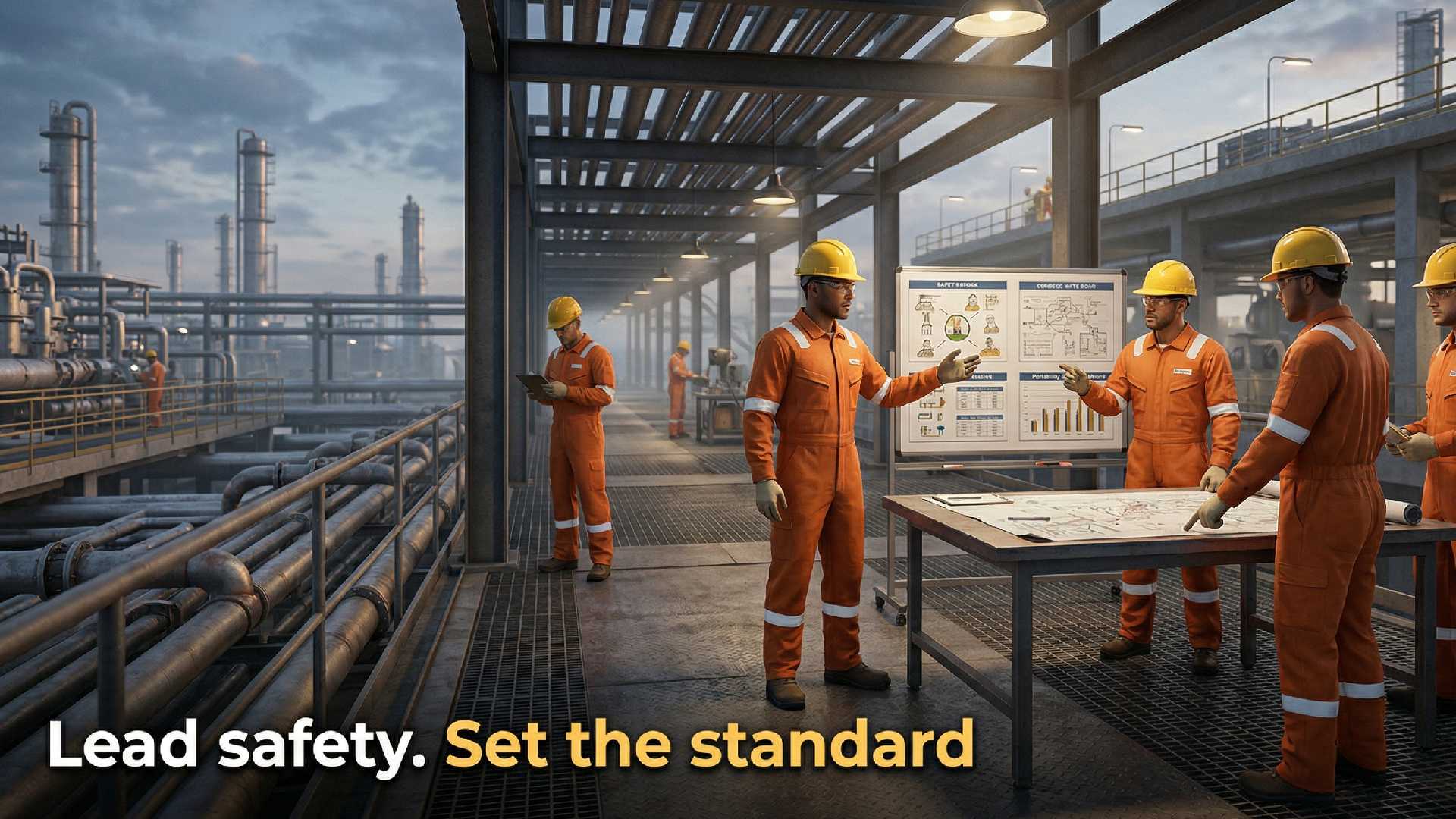
This course introduces the concept of safety leadership for supervisors working in oil and natural gas environments. It explains how supervisors play a vital role in influencing safe behavior, guiding teams, and maintaining disciplined work practices. Rather than relying on authority alone, effective safety leadership focuses on communication, setting the right example, and ensuring that safety is treated as a core value during daily operations.
The course further explores how supervisors can strengthen workplace safety through active engagement with their teams. It highlights practical approaches to hazard awareness, risk control, coaching workers, and making responsible decisions in challenging situations. By developing leadership skills and reinforcing positive safety practices, supervisors can help create a work environment where safety is consistently prioritized and supported by everyone on the team.
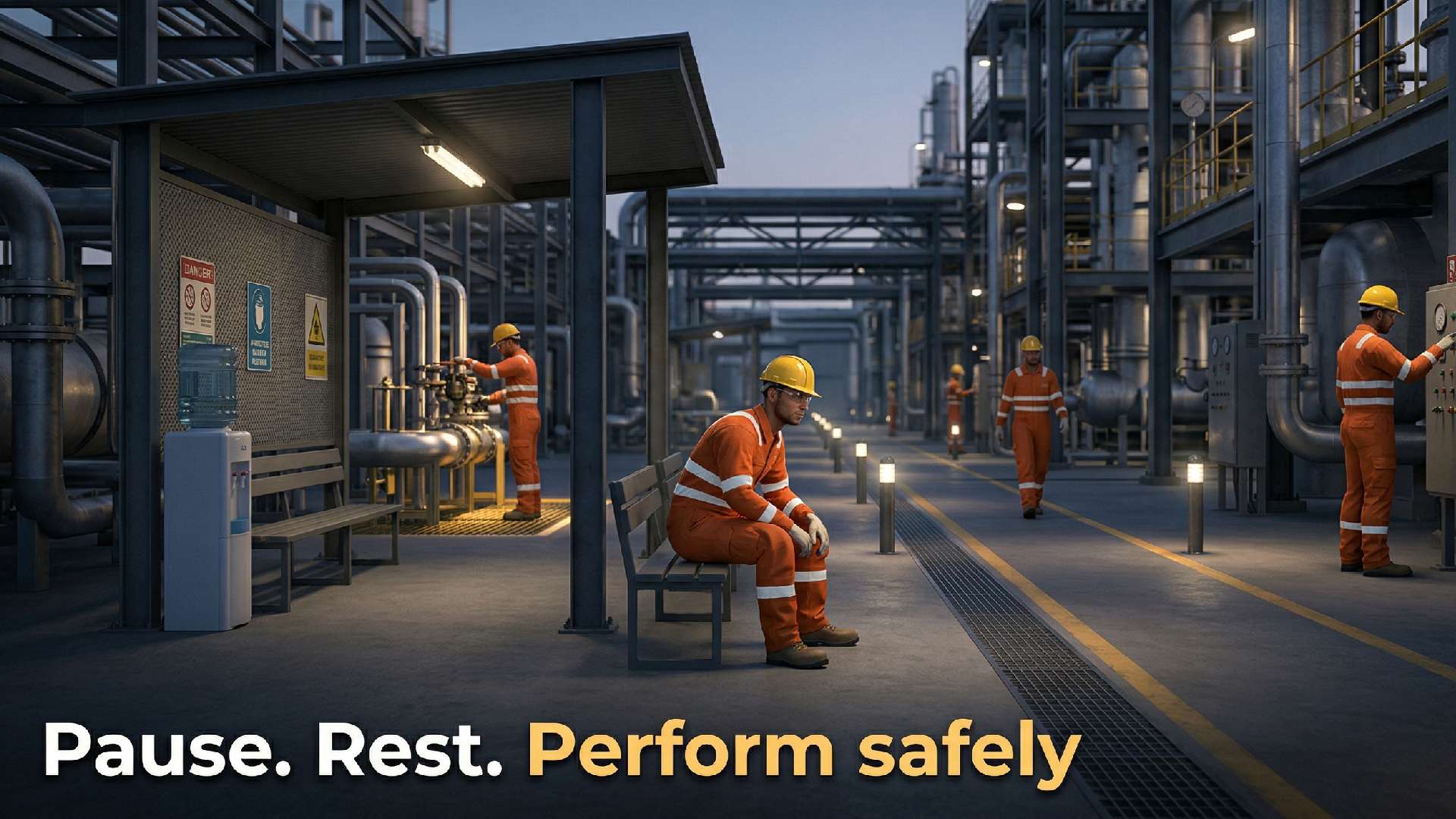
Fatigue Management in Critical Tasks (Oil and Natural Gas) focuses on one of the most critical yet often overlooked risks in industrial operations—worker fatigue. In demanding environments such as oil and gas facilities, long working hours, challenging conditions, and high-risk activities can significantly affect alertness and decision-making. This course introduces the concept of fatigue, explains how it impacts human performance, and highlights why managing fatigue is essential to maintain safety and operational reliability.
Through practical insights and real-world workplace scenarios, this course helps learners understand the risks associated with fatigue in critical tasks. Participants will explore common warning signs, high-risk work situations, and effective strategies that individuals and supervisors can apply to reduce fatigue-related hazards. The course is designed to encourage proactive awareness, responsible work practices, and a strong safety culture within high-risk industrial environments.
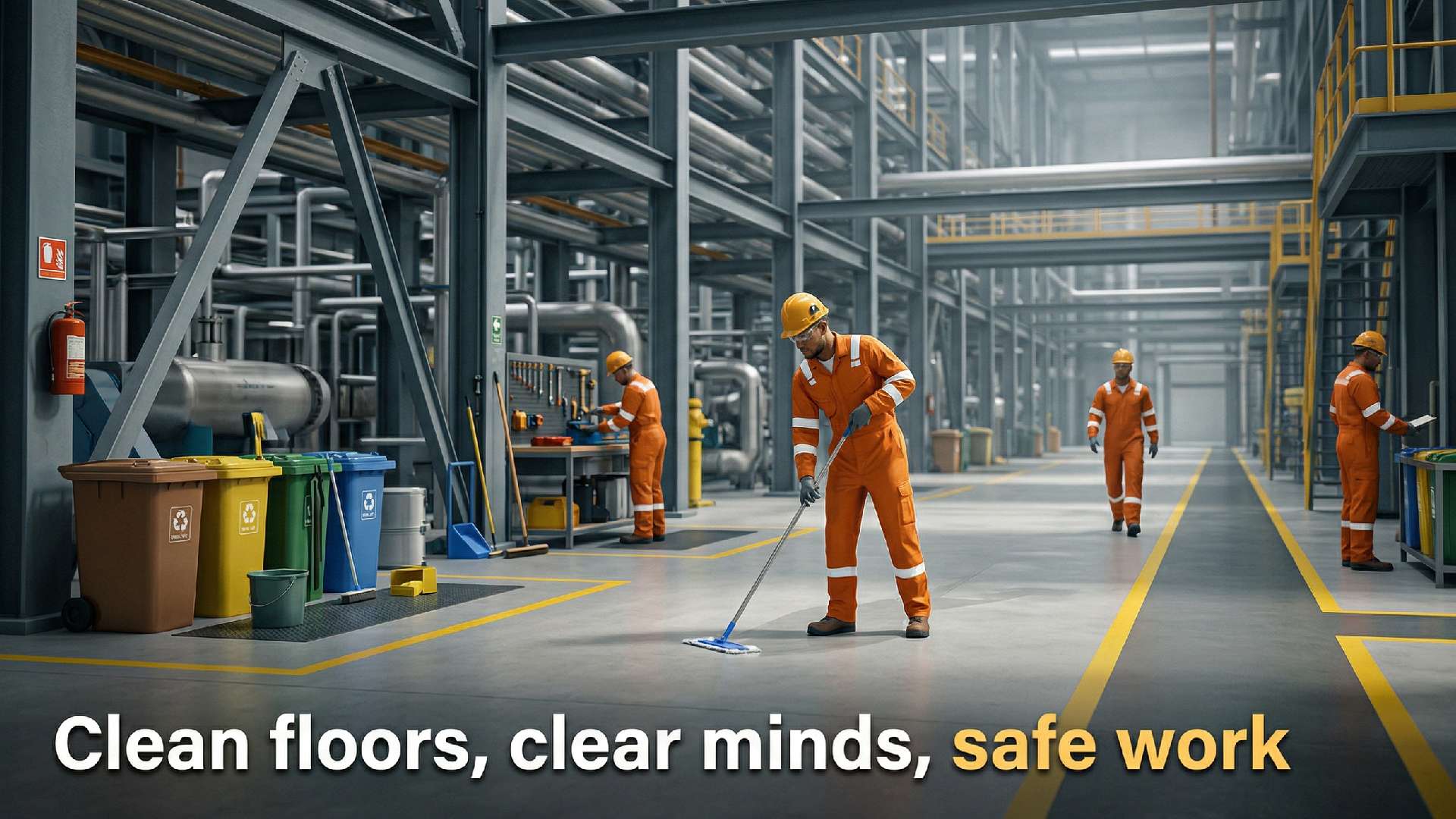
This course introduces the importance of housekeeping and spill prevention in maintaining a safe and organized worksite. A clean and well-maintained workplace helps reduce hazards, prevents slips and falls, protects the environment, and ensures that critical equipment and emergency routes remain easily accessible. The course highlights how proper housekeeping supports safer maintenance activities and improves overall workplace safety.
Beyond basic cleanliness, effective housekeeping is an essential part of daily work practices. This course also explores common housekeeping hazards, practical methods to prevent spills, and the responsibilities workers have in protecting their environment. By understanding these practices, employees can contribute to a safer, more efficient workplace while reducing risks, preventing accidents, and supporting environmental compliance.
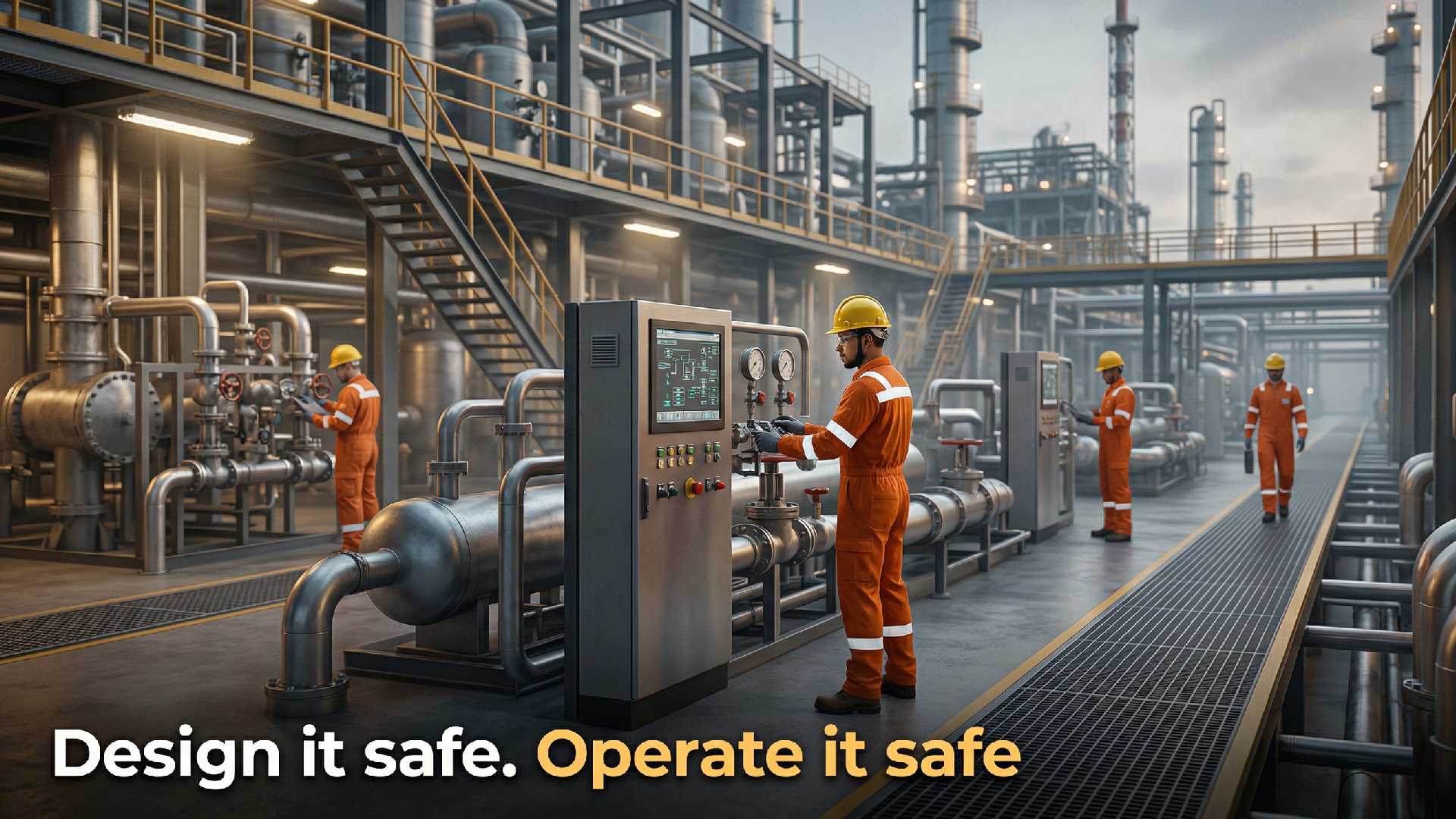
Process Safety Management (PSM) is a structured approach used to prevent major incidents involving hazardous chemicals, high-pressure systems, flammable substances, and other dangerous energy sources. In industries such as oil and natural gas, maintaining strong safety practices is critical to protecting workers, equipment, and the environment. This course introduces the basic concepts of PSM and highlights why understanding process safety is essential for anyone involved in operations or maintenance activities.
Throughout this course, learners will gain an awareness-level understanding of how process safety systems help identify hazards, manage risks, and prevent incidents before they occur. The training also emphasizes the importance of following procedures, maintaining equipment integrity, and recognizing abnormal conditions early. By understanding the key principles of PSM, workers can contribute to a safer work environment and support the overall reliability and sustainability of oil and gas operations.
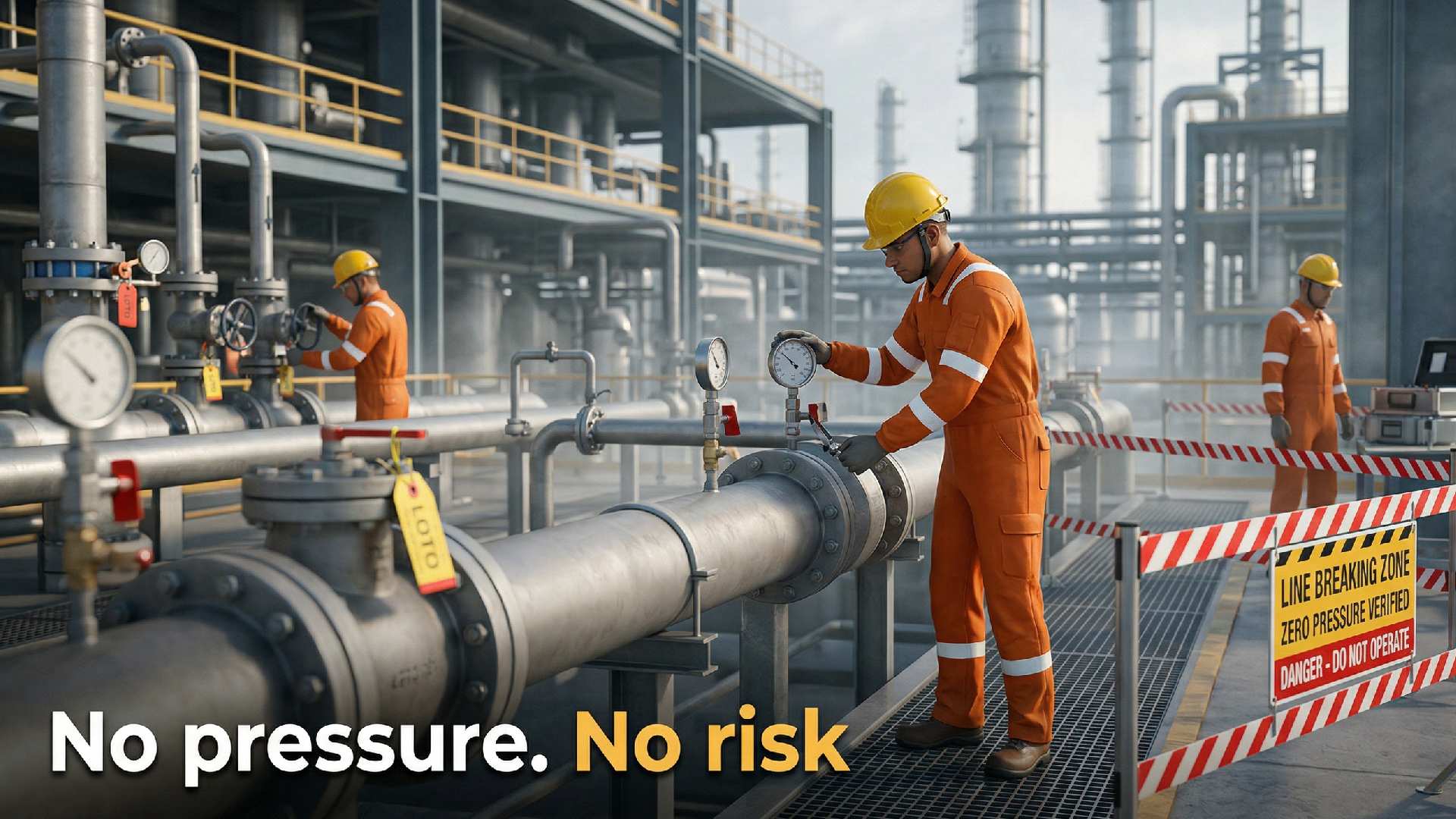
This course provides a foundational understanding of pressure testing and line breaking safety in oil and natural gas operations. These activities are commonly carried out during commissioning, maintenance, shutdowns, and equipment integrity checks. Because they involve high-pressure systems and stored energy, they present significant safety risks. The course introduces the environment where these activities occur and highlights the importance of recognizing hazards and following proper safety procedures.
Beyond the basics, the course also explains the precautions, control measures, and safe work practices required to carry out these operations responsibly. Learners will gain insight into common hazards, risk prevention methods, and the importance of verification checks after work is completed. The course is designed to help workers understand how to reduce risks, maintain operational safety, and ensure that pressure-related tasks are performed in a controlled and safe manner.
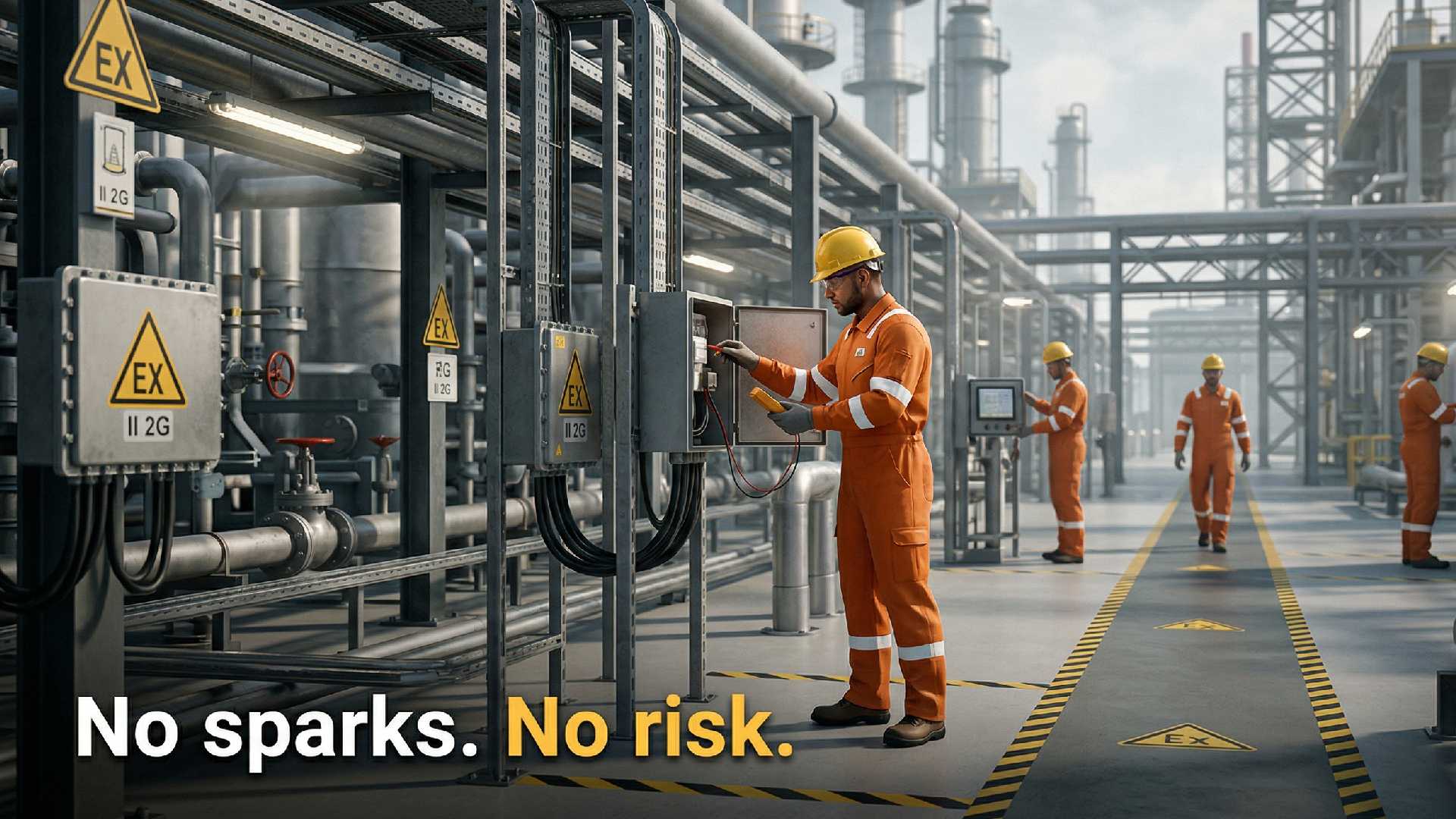
Electrical energy plays a vital role in oil and gas operations, supporting drilling, production, processing, and maintenance activities. However, when electrical systems are used in hazardous environments where flammable gases, vapours, liquids, or dust may be present, they can become a potential source of ignition. Even a small electrical spark can lead to fire, explosion, severe injury, or loss of life, making electrical safety a critical aspect of operations in these areas.
This course provides a practical understanding of how electrical risks are managed in hazardous locations. It introduces key concepts such as hazardous area classifications, safe electrical equipment, and proper installation practices. The course also highlights safe work procedures, inspection and maintenance requirements, and how to respond to electrical incidents. By understanding these principles, workers can contribute to safer operations and help prevent accidents in high-risk environments.